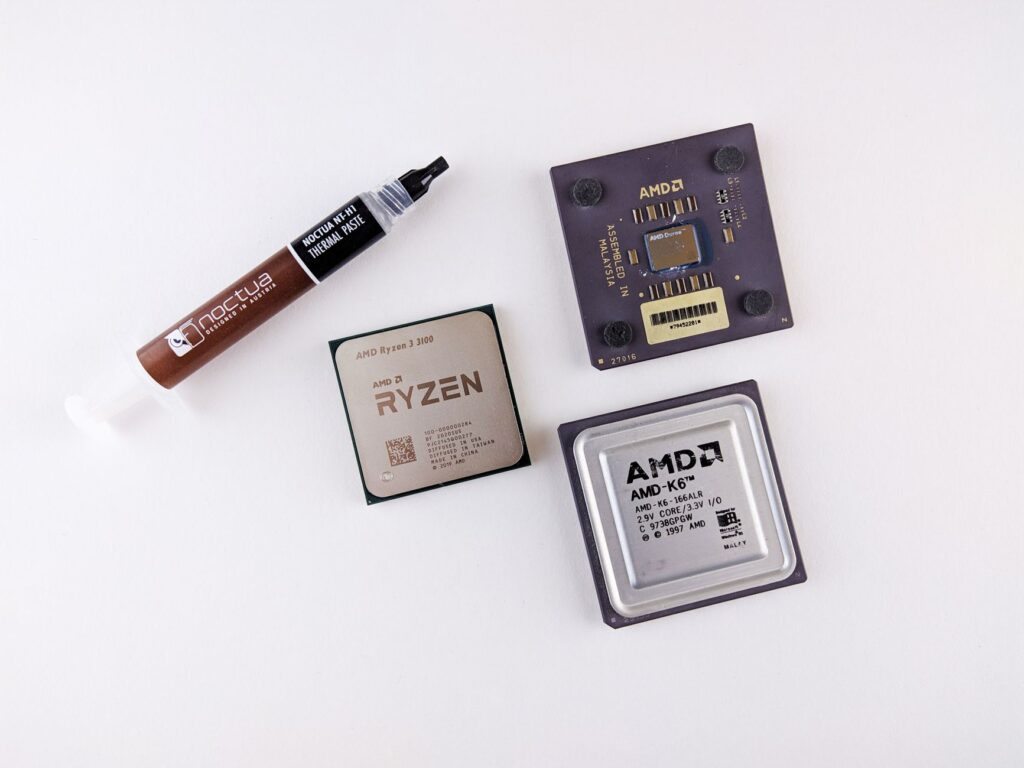
 AMD APU streaming fixes: Worst performance drop with OpenMOSS
  AI Sales Tax Compliance: Proven Strategies for Success
  BC civic ballot: Worst decision by Eby in recent history
  Microsoft ads loading screens: The Worst New Trend in Gaming
  AI Security Testing: The Best Proven Solution for Protection
  Jev Decision Model: The Smart Replacement for LLM Calls
  Yellowstone lake sediments: What are the proven changes?
  Voice AI Simulation: Best Proven Testing Platform Expansion
  Is Neon Abyss 2 Release Date the Best Announcement Yet?
AMD APU streaming fixes have been a hot topic following the revelation that OpenMOSS is nearly 40 times slower than Vulkan. This performance disparity has sparked discussions in the tech community.
Overview of AMD APU streaming fixes
Recent developments in AMD APU streaming fixes have highlighted significant performance disparities when using different streaming technologies. In a striking comparison, the OpenMOSS ROCm framework exhibited a performance drop that many users found unacceptable. According to the latest analysis, OpenMOSS was reported to be approximately 40 times slower than Vulkan, raising concerns among gamers and developers alike.
AMD has been proactive in addressing these issues, focusing on enhancing the streaming capabilities of their APUs. The new fixes aim to optimize the overall performance and improve user experience. Key improvements include:
- Enhanced compatibility with popular streaming platforms.
- Improved resource management to reduce latency and increase efficiency.
- Optimized graphics rendering for smoother gameplay and better visual quality.
As these AMD APU streaming fixes roll out, users can expect a more streamlined experience that leverages the full potential of their hardware. This initiative is part of AMD’s broader strategy to maintain competitiveness in the gaming sector, especially as streaming continues to grow in popularity.
What is OpenMOSS?
OpenMOSS, or Open Multi-OS Streaming System, is an innovative framework designed to enhance the streaming capabilities of various processing units, particularly in AMD APUs. This system aims to optimize resource allocation and improve the overall efficiency of streaming processes in multimedia applications. However, recent findings indicate that while OpenMOSS has its advantages, it can lead to significant performance drops, particularly when used with AMD APUs.
In a recent analysis, it was revealed that OpenMOSS operates at approximately 40 times slower than Vulkan, a more established graphics API. This striking difference raises concerns among developers and users relying on AMD APU streaming fixes for optimal performance. The inefficiencies observed with OpenMOSS could severely impact user experience, especially during high-demand scenarios such as gaming or live streaming.
As developers continue to explore enhancements and alternatives, the importance of understanding OpenMOSS cannot be overstated. Despite its potential for cross-platform compatibility and flexibility, the performance deficits associated with OpenMOSS highlight the need for further refinement. As the landscape of streaming technology evolves, AMD APU users must stay informed about the best practices and tools available to mitigate these performance issues.
Comparing OpenMOSS and Vulkan performance
In recent comparisons between OpenMOSS and Vulkan performance, the differences have become increasingly evident, particularly for users of AMD APUs. While OpenMOSS was initially seen as a potential improvement for streaming, benchmarks reveal a stark contrast in efficiency when juxtaposed with Vulkan.
OpenMOSS has demonstrated a significant performance drop, with reports indicating it can be approximately 40 times slower than Vulkan under certain conditions. This slow performance is particularly concerning for streamers who rely on smooth and high-quality outputs for their audiences.
Key factors contributing to this performance disparity include:
- Resource management inefficiencies in OpenMOSS
- Inadequate optimization for AMD APU architecture
- Higher latency in rendering frames compared to Vulkan
The implications of these findings are profound for content creators using AMD APUs. As the community seeks AMD APU streaming fixes, the choice between OpenMOSS and Vulkan may ultimately impact the quality of streaming experiences. Users are encouraged to monitor updates closely, as developments in this area could reshape streaming performance for AMD APU users in the near future.
User reactions to AMD’s changes
User reactions to the recent updates on AMD APU streaming fixes have been mixed, with many users expressing frustration over the performance drop associated with OpenMOSS. Following the release of the Lemonade patch, which aimed to address streaming issues, users took to forums and social media to share their experiences.
Many reported that, despite the fixes, streaming performance using OpenMOSS remained significantly lower compared to Vulkan. One user noted, “The update helped, but I still see OpenMOSS as a bottleneck. It feels like I’m missing out on the potential of my APU.” Others echoed similar sentiments, emphasizing that the ~40x slower performance compared to Vulkan was disheartening.
However, there were also users who appreciated the effort AMD has made towards improving their APU streaming capabilities. Another user commented, “At least they are trying to fix the issues. I hope future updates will further enhance performance.”
As the community continues to navigate these changes, it is clear that the AMD APU streaming fixes have opened up a dialogue about performance expectations and future improvements.
Future of AMD APU streaming
The future of AMD APU streaming appears both promising and challenging as the company continues to address performance issues highlighted by recent benchmarks. With the introduction of streaming fixes, AMD is working diligently to enhance user experience, especially regarding the disappointing results observed with OpenMOSS. Many users have reported significant performance drops, with some metrics indicating that OpenMOSS could be almost 40 times slower than Vulkan in certain scenarios.
As AMD pivots towards refining their APU architecture, the focus remains on maximizing efficiency and compatibility with various streaming frameworks. The feedback from the community has been instrumental in guiding AMD’s development efforts. With ongoing updates, AMD aims to optimize both the hardware and software aspects of their APUs, which could lead to improved streaming capabilities in the future.
Furthermore, AMD’s commitment to transparency and responsiveness to user concerns may foster a more loyal user base. As the company rolls out additional patches and enhancements, users can expect significant improvements in their streaming experiences. The upcoming months will be crucial in determining whether AMD APU streaming fixes can effectively address the shortcomings of OpenMOSS while solidifying AMD’s position in the competitive landscape of streaming technology.
Conclusion on AMD APU fixes
In conclusion, the recent AMD APU streaming fixes have provided significant insights into the performance of various streaming technologies, particularly in the context of OpenMOSS. While users were hopeful that the updates would enhance their streaming capabilities, the results have shown a stark contrast, especially when comparing OpenMOSS with Vulkan.
The findings highlighted by Lemonade indicate that OpenMOSS can be nearly 40 times slower than Vulkan, raising concerns about the viability of OpenMOSS for high-performance applications. This substantial performance drop underscores the necessity for AMD to continue refining their APU streaming solutions, ensuring that users can maximize their streaming potential without encountering severe limitations.
Moreover, user reactions have been mixed, with some expressing frustration over the lack of immediate improvements, while others appreciate the transparency from AMD regarding the challenges faced with OpenMOSS. As AMD progresses in delivering future updates and enhancements, it will be crucial for them to address these performance discrepancies and align their APU streaming fixes with user expectations.
Ultimately, the success of AMD’s initiatives will depend on their ability to optimize the streaming experience, particularly in light of the shortcomings identified with OpenMOSS.
The latest updates on AMD APU streaming fixes have revealed significant improvements in performance stability. Users can now expect a more reliable experience, addressing the worst performance drop with OpenMOSS.
Photo by Andrey Matveev on Pexels