
 Is the Derelikt Demo Launch the Best Gaming Experience Yet?
  AI Chip Manufacturing Deal: Best Proven Strategies for Success
  Claude Haiku 5.5: Is This the Best AI Model Ever?
  Touchscreen MacBook Pro: Best Simple Features to Expect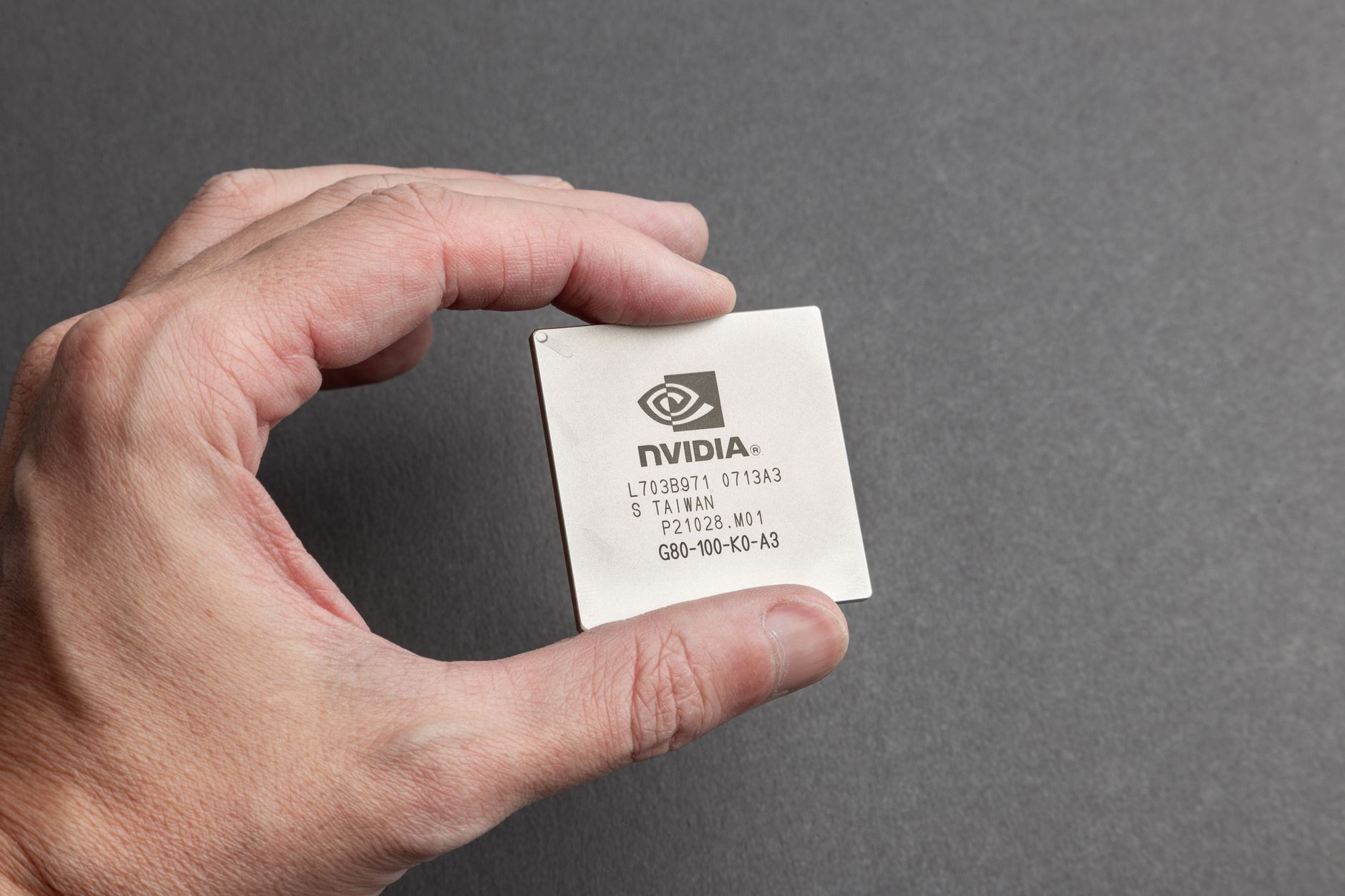
AI chip manufacturing deal is a significant milestone in the tech industry, as GlobalFoundries and TSMC collaborate to enhance AI capabilities.
Understanding the AI Chip Manufacturing Deal
The recent $2 billion AI chip manufacturing deal between GlobalFoundries and TSMC marks a significant milestone in the semiconductor industry. This partnership is designed to enhance the production capabilities for artificial intelligence chips, which are in high demand across various sectors.
Understanding the implications of this deal is crucial for industry stakeholders. Here are some key points to consider:
- Increased Capacity: The collaboration aims to ramp up the production capacity of AI chips, vital for powering advanced technologies.
- Cost Efficiency: By pooling resources and expertise, both companies can reduce manufacturing costs, making AI technology more accessible.
- Innovation Boost: The partnership is expected to drive innovation, leading to the development of more powerful and efficient AI chips.
- Market Competition: This deal positions both GlobalFoundries and TSMC as competitive players in the rapidly evolving AI market, potentially reshaping industry dynamics.
Overall, the AI chip manufacturing deal not only strengthens the companies involved but also sets the stage for advancements that could transform multiple industries relying on artificial intelligence.
Key Players in the Semiconductor Industry
The semiconductor industry is marked by several key players who significantly influence the landscape of AI chip manufacturing deals. These companies are at the forefront of technological advancements and production capabilities.
- GlobalFoundries: A leader in semiconductor manufacturing, GlobalFoundries has established itself as a significant player in the AI chip sector. Their recent $2 billion deal highlights their commitment to advancing AI technologies.
- TSMC (Taiwan Semiconductor Manufacturing Company): Known for its cutting-edge fabrication processes, TSMC is a vital partner in the AI chip manufacturing landscape. The collaboration with GlobalFoundries underscores their role in meeting the growing demand for AI-driven solutions.
- Intel: With a strong history in chip design and innovation, Intel continues to invest in AI chip technologies. Their efforts are essential in shaping the future of computational capabilities.
- NVIDIA: Renowned for its graphics processing units (GPUs), NVIDIA has shifted focus towards AI applications, making it a pivotal player in AI chip manufacturing deals.
These companies, among others, are critical in driving advancements and ensuring the success of AI chip manufacturing deals, ultimately shaping the future of technology and AI integration.
Impact of the Deal on AI Development
The recent AI chip manufacturing deal between GlobalFoundries and TSMC is poised to have a significant impact on the landscape of artificial intelligence development. By investing $2 billion, the two companies aim to enhance their production capabilities, ensuring a steady supply of advanced chips that are critical for AI applications.
This collaboration is expected to accelerate innovation in various sectors, including healthcare, automotive, and finance. As AI technologies continue to evolve, the demand for high-performance chips will only increase, providing a competitive edge to companies that can leverage these advancements effectively.
Additionally, the deal highlights the importance of strategic partnerships in the semiconductor industry. With the rapid pace of AI development, companies that invest in robust manufacturing capabilities will be better positioned to tackle upcoming challenges and meet consumer needs.
Key benefits of the deal include:
- Increased production capacity to support the growing AI market.
- Faster time-to-market for AI-driven products and solutions.
- Strengthened supply chain resilience amidst global semiconductor shortages.
Overall, the AI chip manufacturing deal marks a pivotal moment for the future of technology and innovation.
Future Trends in AI Chip Technology
The landscape of AI chip technology is rapidly evolving, driven by advancements in manufacturing processes and increasing demand for high-performance computing. The recent AI chip manufacturing deal between GlobalFoundries and TSMC highlights a pivotal moment in this sector, signaling a shift towards more collaborative efforts among leading manufacturers.
As companies strive to enhance their AI capabilities, several key trends are emerging:
- Increased Integration: Future AI chips will likely feature greater integration of components, allowing for more efficient processing and reduced latency in AI applications.
- Focus on Energy Efficiency: As AI technologies become more prevalent, there is a growing emphasis on developing chips that consume less power while maintaining high performance.
- Customization: Manufacturers are leaning towards tailored solutions that cater to specific AI workloads, enabling optimized performance for various applications.
- Advanced Materials: The exploration of new materials, such as graphene and silicon photonics, could revolutionize chip design by enhancing speed and efficiency.
These trends indicate a promising future for AI chip technology, with the potential to significantly impact industries ranging from healthcare to autonomous vehicles.
Challenges Facing AI Chip Manufacturers
The recent AI chip manufacturing deal between GlobalFoundries and TSMC brings potential for advancement but also presents several challenges that manufacturers must navigate.
One of the primary challenges is the rapidly evolving technology landscape. AI chip manufacturers must continuously innovate to keep pace with advancements in artificial intelligence and machine learning, making it essential to invest in research and development. Failure to do so may result in obsolescence in an increasingly competitive market.
Another significant hurdle is the complexity of supply chains. The semiconductor industry is known for its intricate supply networks, which can lead to delays and increased costs. Any disruption, whether due to geopolitical tensions or natural disasters, can adversely affect production timelines.
Additionally, there is a growing concern regarding talent acquisition. Skilled professionals in AI and semiconductor technology are in high demand, making it challenging for companies to attract and retain the right talent. Without a skilled workforce, the success of the AI chip manufacturing deal may be jeopardized.
Lastly, manufacturers must address sustainability issues. As the demand for AI chips grows, so does the environmental impact of their production. Balancing profitability with eco-friendly practices is crucial for long-term success in this sector.
What This Means for Global Tech Companies
The recent AI chip manufacturing deal between GlobalFoundries and TSMC marks a significant turning point for global tech companies. This collaboration is expected to streamline production processes and enhance the capabilities of AI technologies across various sectors.
With the growing demand for AI applications, companies are now prioritizing investments in semiconductor manufacturing. The AI chip manufacturing deal not only ensures a stable supply of advanced chips but also fosters innovation within the industry. As tech giants adopt these new semiconductors, they will likely experience improved performance and efficiency in their AI systems.
Moreover, this deal signifies a shift towards increased collaboration among tech firms. Companies that previously operated in isolation are now more inclined to form partnerships to leverage shared expertise and resources. This movement could result in accelerated advancements in AI research and development.
As a result, we can anticipate a ripple effect throughout the tech landscape. In particular, startups and smaller enterprises may gain access to cutting-edge technology that was once dominated by larger corporations. Ultimately, this AI chip manufacturing deal not only reshapes the semiconductor industry but also paves the way for a new era of innovation in global technology.
Photo by Stas Knop on Pexels
Where this came from
Global Banking & Finance Review
Related reading
Claude Haiku 5.5: Is This the Best AI Model Ever? · AI Game Creation Platform: Is It the Best Tool for Developers? · Kingdom Hearts Collection reviews: The Best Insights Revealed