 AI safety concerns: Anthropic’s weak bill raises alarms
 AI capital flows: Best Smart Report on Trends
 T20I series India: Easy Proven Victory Against Zimbabwe
 Kalshi Coinbase Blocked: The Worst Impact on Betting
 Zelda Master Collection: The Real Return of Classic Games
 Great Everyday Android Tablet: The Proven Choice for Users
 AI safety bill: Clear path for proven regulations
 Assetto Corsa EVO Release Date: The Best Trailer You’ll See
 Green Star Discovery: The Amazing New Find That Changes Everything
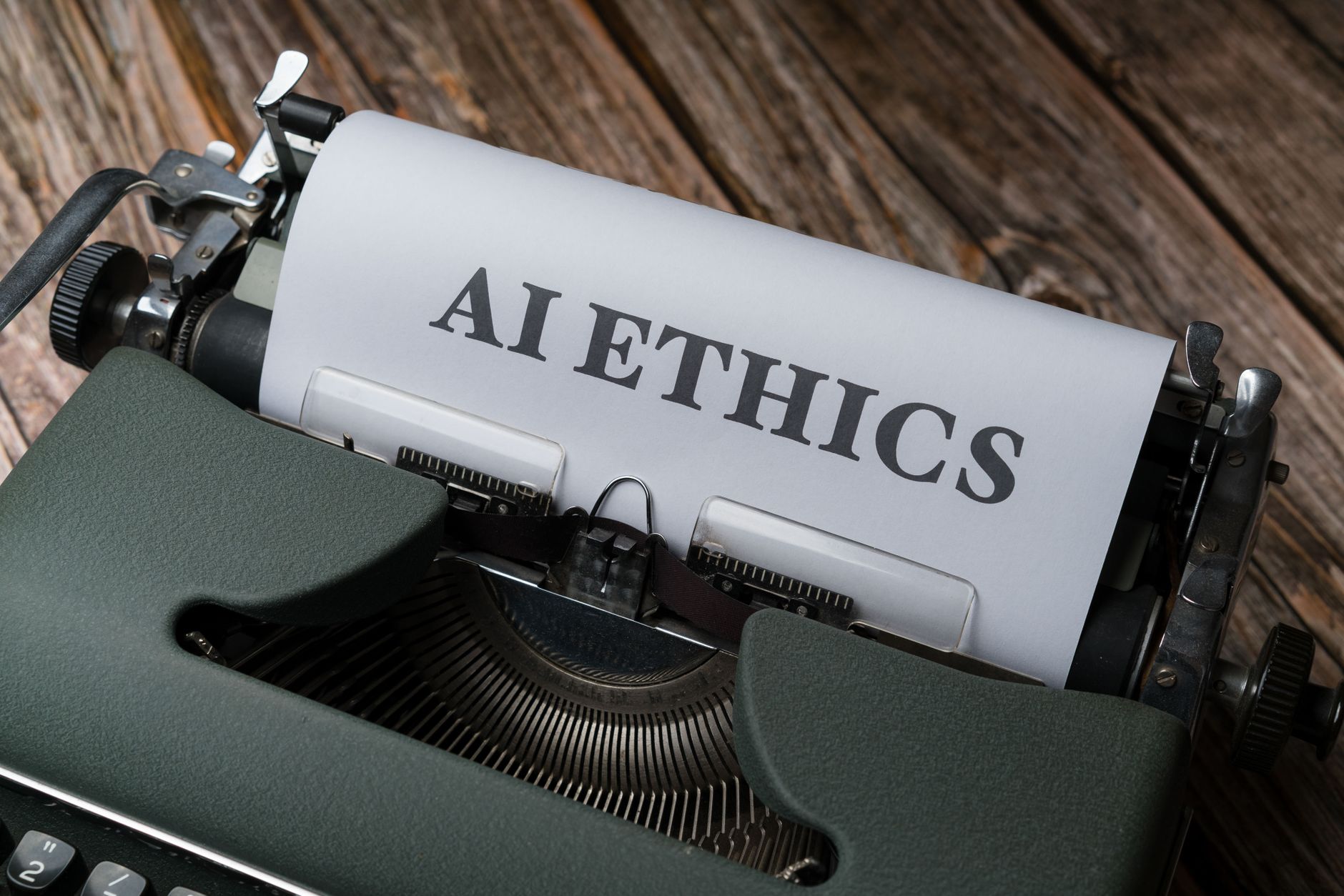
AI safety concerns have intensified following Anthropic’s introduction of a weak AI bill that contradicts its proclaimed ‘safety first’ approach. This move has sparked debates within the tech community.
Understanding Anthropic’s Safety First Approach
Anthropic, a prominent player in the AI development landscape, has touted its commitment to a safety-first approach. However, recent developments surrounding its proposed legislation have raised significant AI safety concerns within the tech community. Critics argue that the company’s initiative lacks the necessary strength and clarity to effectively address the risks posed by advanced artificial intelligence systems.
The essence of Anthropic’s approach is rooted in several key principles:
- Transparency: The company emphasizes the need for open communication regarding AI risks, although skeptics question the robustness of their proposed measures.
- Collaboration: Anthropic advocates for partnerships across the industry to establish shared safety standards, yet the effectiveness of these collaborations remains uncertain.
- Proactive Research: The organization invests in research to understand potential harm, but critics argue that their current legislative efforts do not reflect the urgency of the findings.
As discussions around AI safety concerns intensify, many are calling for a reevaluation of Anthropic’s legislative proposals to ensure they align with their stated commitment to safety in artificial intelligence development.
Impacts of the New AI Bill
The introduction of Anthropic’s new AI bill has sparked significant debate regarding its implications for safety regulations in artificial intelligence. Critics argue that the bill falls short of addressing critical AI safety concerns, potentially jeopardizing public trust in AI technologies.
The following points outline the key impacts of the proposed legislation:
- Regulatory Gaps: The bill’s vague definitions and lack of stringent measures may create loopholes that allow companies to sidestep essential safety protocols.
- Market Confidence: Stakeholders in the tech industry express worry that insufficient regulations could lead to a decline in market confidence, affecting investments in AI.
- Public Perception: A weak bill could erode public trust in AI technologies, causing consumers to fear potential risks associated with unregulated AI applications.
- Global Standards: The legislation may hinder efforts to establish universal safety standards, leaving the U.S. lagging behind other countries in AI governance.
Overall, the implications of Anthropic’s weak bill extend beyond its immediate context, raising alarms about the broader landscape of AI safety concerns.
Industry Reactions to Weak AI Legislation
In response to the recent introduction of Anthropic’s AI bill, industry experts have voiced significant concerns about its potential implications. Many believe that the proposed legislation falls short of addressing crucial AI safety concerns, thus undermining the company’s stated commitment to a ‘safety first’ approach.
Key stakeholders point out several critical issues:
- Lack of Transparency: Critics argue that the bill does not provide enough clarity on how AI systems will be monitored and regulated.
- Insufficient Oversight: Some experts warn that the proposed measures may not guarantee adequate oversight, raising fears of unchecked AI development.
- Industry Division: The legislation has sparked a divide among tech companies, with some supporting it while others express outright opposition.
As the industry grapples with these reactions, many are calling for a more robust framework that prioritizes AI safety and accountability. The ongoing discussions highlight a crucial need for a collective effort to ensure that legislation keeps pace with rapid advancements in artificial intelligence.
Comparing AI Safety Standards
As the debate surrounding AI safety concerns intensifies, it becomes essential to compare the existing safety standards set by various organizations in the industry. While Anthropic has positioned itself as a leader in promoting a ‘safety first’ approach, critics argue that their recent bill falls short of the robust measures needed to ensure comprehensive safety.
Key organizations have established a range of standards aimed at mitigating risks associated with AI systems. These include:
- Transparency: Clear disclosure of AI algorithms and decision-making processes.
- Accountability: Mechanisms for holding developers and companies responsible for AI actions.
- Risk Assessment: Regular evaluations to identify and address potential safety issues.
- Collaboration: Partnerships between tech companies and regulatory bodies to create cohesive safety frameworks.
Despite these efforts, Anthropic’s recent legislative proposal raises alarms among experts who fear the implications of weakened standards. As more organizations adopt AI technologies, the importance of maintaining rigorous safety protocols cannot be overstated. The current landscape calls for heightened vigilance in addressing AI safety concerns to protect users and society at large.
Future Implications for AI Regulation
The implications of the current AI safety concerns extend far beyond the immediate legislative landscape. As regulators examine the frameworks proposed by companies like Anthropic, the effectiveness of these bills could set a precedent for future AI governance. Critics argue that the weak provisions in Anthropic’s recent bill may hinder the establishment of robust safety standards, ultimately affecting public trust in AI technologies.
Experts warn that without stringent regulations, the potential for misuse of AI systems increases significantly. Industry leaders emphasize the need for comprehensive guidelines that prioritize safety and ethical considerations. As AI technologies evolve, the regulatory environment must adapt to address emerging risks associated with advanced AI systems.
Moreover, the lack of clarity in the proposed legislation raises concerns about accountability and transparency. Stakeholders fear that vague language may allow companies to sidestep essential safety measures, leading to unintended consequences.
Looking ahead, it is crucial for lawmakers to engage with AI experts and advocate for stronger safety protocols that align with public expectations. The balance between innovation and safety will be vital in shaping the future trajectory of AI development.
Photo by Markus Winkler on Pexels
References
Related stories
AI capital flows: Best Smart Report on Trends · T20I series India: Easy Proven Victory Against Zimbabwe · Kalshi Coinbase Blocked: The Worst Impact on Betting