 Yellowstone lake sediments: What are the proven changes?
  Voice AI Simulation: Best Proven Testing Platform Expansion
  Is Neon Abyss 2 Release Date the Best Announcement Yet?
  Manchester City title talk: Is it too early to celebrate?
  OpenAI AI model: Is It the Worst Proven Performer?
  Huawei AI chips: Are They the Best Choice Against Nvidia?
  AI models deception: What are the worst examples?
  Saudi refinery crude loading causes sticker shock woes
  Dinosaur fossil discovery: Exciting find in northern China!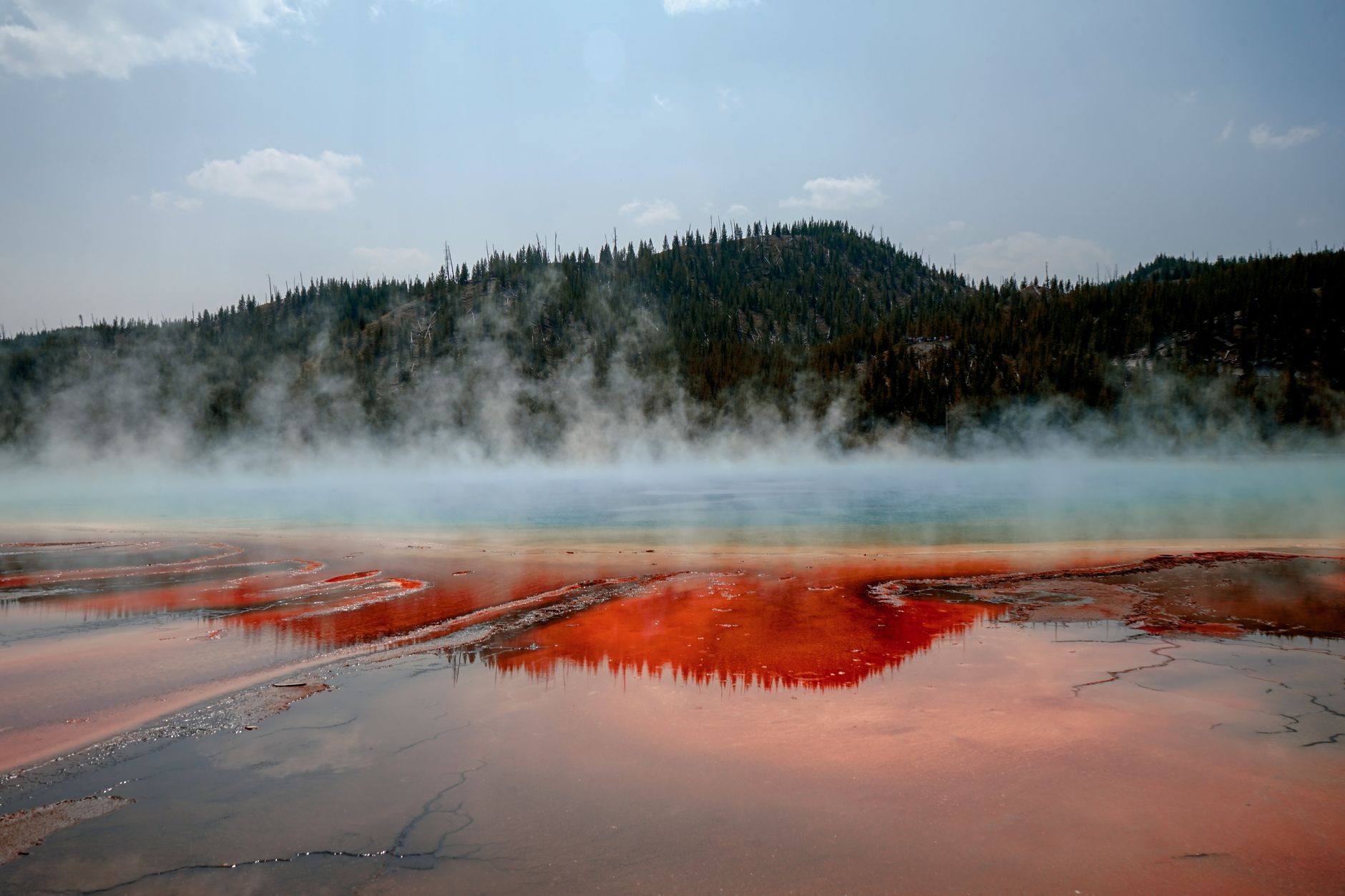
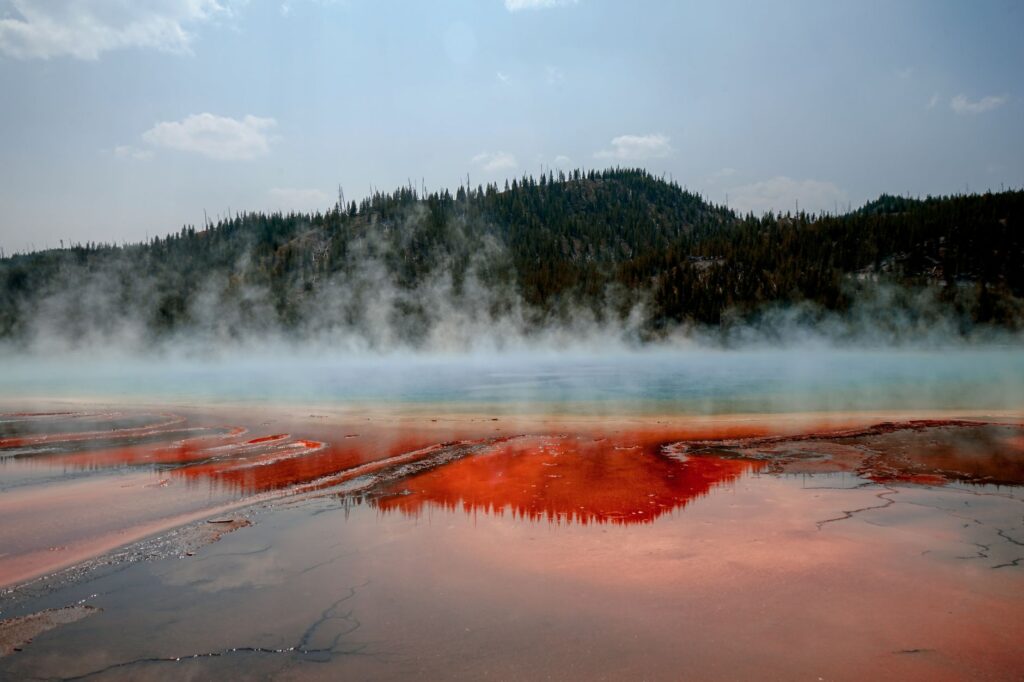
Yellowstone lake sediments provide insights into 15,000 years of environmental changes. This research highlights the impacts of hydrothermal and wildfire activities in the region.
Understanding Yellowstone Lake Sediments
Yellowstone Lake sediments serve as a critical record of environmental change over thousands of years, particularly in relation to hydrothermal activity and wildfire events. Recent studies have revealed that these sediments contain valuable information on the climatic and geological history of the region, spanning approximately 15,000 years.
Researchers have utilized advanced techniques to analyze sediment cores extracted from the lake’s bottom. These analyses provide insights into various historical phenomena, including:
- Hydrothermal Activity: The sediments indicate periods of increased geothermal activity, which have shaped the surrounding ecosystem.
- Wildfire Events: Layers of ash within the sediments highlight significant wildfire occurrences, shedding light on their frequency and intensity over millennia.
- Climatic Shifts: Changes in sediment composition reflect broader climatic patterns, offering a window into the environmental conditions that prevailed during different eras.
Through understanding Yellowstone Lake sediments, scientists can piece together a more comprehensive picture of how natural events have influenced the region’s ecology. This ongoing research not only enhances our knowledge of Yellowstone’s past but also aids in predicting future changes in response to environmental pressures. The findings underscore the importance of long-term ecological studies in understanding the delicate balance of Yellowstone’s unique ecosystem.
The Impact of Hydrothermal Activity
The impact of hydrothermal activity on Yellowstone lake sediments has been profound and multifaceted. Researchers have uncovered that these sediments serve as a historical record, revealing significant changes over the past 15,000 years. The interplay between thermal features and sediment deposition highlights the dynamic nature of this unique ecosystem.
Hydrothermal activity contributes to the chemical and physical properties of the lake’s sediments, affecting not only their composition but also the biological communities that thrive in and around the lake. The sediments are rich in minerals and nutrients released from geothermal features, which can support diverse forms of life. Some key impacts of hydrothermal activity include:
- Altered Nutrient Levels: Increased mineral content from hydrothermal vents can enhance productivity in the lake.
- Temperature Variability: Heat from geothermal sources affects water temperatures, influencing species distribution.
- Historical Insights: Sediments provide a record of past hydrothermal events, helping scientists understand the evolution of the ecosystem.
- Wildfire Interactions: The relationship between hydrothermal activity and wildfire events has also been documented, showcasing how these factors interplay over millennia.
In conclusion, the study of Yellowstone lake sediments is essential for understanding the long-term impacts of hydrothermal processes, which continue to shape this remarkable landscape.
Wildfire Changes Over Millennia
Yellowstone lake sediments provide a crucial record of environmental changes, particularly in relation to wildfire activity over millennia. Research indicates that the sediments have captured the impact of numerous wildfires that have occurred in the region, highlighting significant shifts in forest composition and ecosystem dynamics.
Key findings from the analysis of these sediments include:
- Fire Frequency: There has been an observable increase in wildfire frequency over the past few thousand years, correlating with climatic shifts.
- Vegetation Changes: Sediment layers show a transition from dense coniferous forests to more open grasslands during periods of intense fire activity.
- Soil Erosion: Increased wildfires have led to higher rates of soil erosion, affecting sediment deposition in Yellowstone Lake.
- Carbon Release: Wildfires contribute to the release of carbon stored in vegetation, highlighting the role of these events in the carbon cycle.
Moreover, the interplay between hydrothermal activity and wildfire events has shaped the landscape in profound ways. The sediments act as a timeline revealing how both natural and anthropogenic factors have influenced fire regimes and the ecology of the region. Understanding these changes through Yellowstone lake sediments not only sheds light on historical patterns but also informs current conservation efforts.
Research Methods and Findings
In a recent study, researchers employed a combination of sediment core analysis and radiocarbon dating to investigate the changes in Yellowstone Lake sediments over the past 15,000 years. This comprehensive approach allowed them to reconstruct historical climate patterns and ecological shifts resulting from hydrothermal activity and wildfires.
The team collected sediment cores from multiple locations around the lake, ensuring a diverse representation of sediment layers. Each core was analyzed for various characteristics, including grain size, composition, and organic content. By using advanced techniques such as X-ray fluorescence and stable isotope analysis, the researchers could identify distinct layers corresponding to different environmental events.
- Hydrothermal activity: The sediment data revealed increased mineral deposits and changes in biological activity during periods of heightened geothermal activity.
- Wildfire events: Layers rich in charcoal indicated significant wildfire occurrences, correlating with changes in vegetation and climate conditions.
These findings suggest that Yellowstone Lake sediments serve as a crucial record of the region’s ecological history, highlighting the interconnectedness of hydrothermal systems and wildfire dynamics. This research not only enhances our understanding of past environmental changes but also informs future predictions regarding the lake’s ecosystem in the context of ongoing climate change.
Photo by Vlad Chețan on Pexels