 PostgreSQL 19 Performance Improvements: Are They Worth It?
 Uncensored AI Models: The Clear Risks and Proven Benefits
 Elder Scrolls Online Update: Best Companion Customization Guide
 Is the iPhone Duo the Worst Choice for You?
 ChatGPT grants for researchers: Free funding for innovation
 ARC Raiders update: Best Simple Content and Bug Fixes
 GTA 6 Online release date: Worst news for multiplayer fans
 Fable map Bowerstone: Best Complete Look at Xbox’s Unveiling
 Jailbroken PS4 AI Model: Proven Performance at 43 Tokens/sec
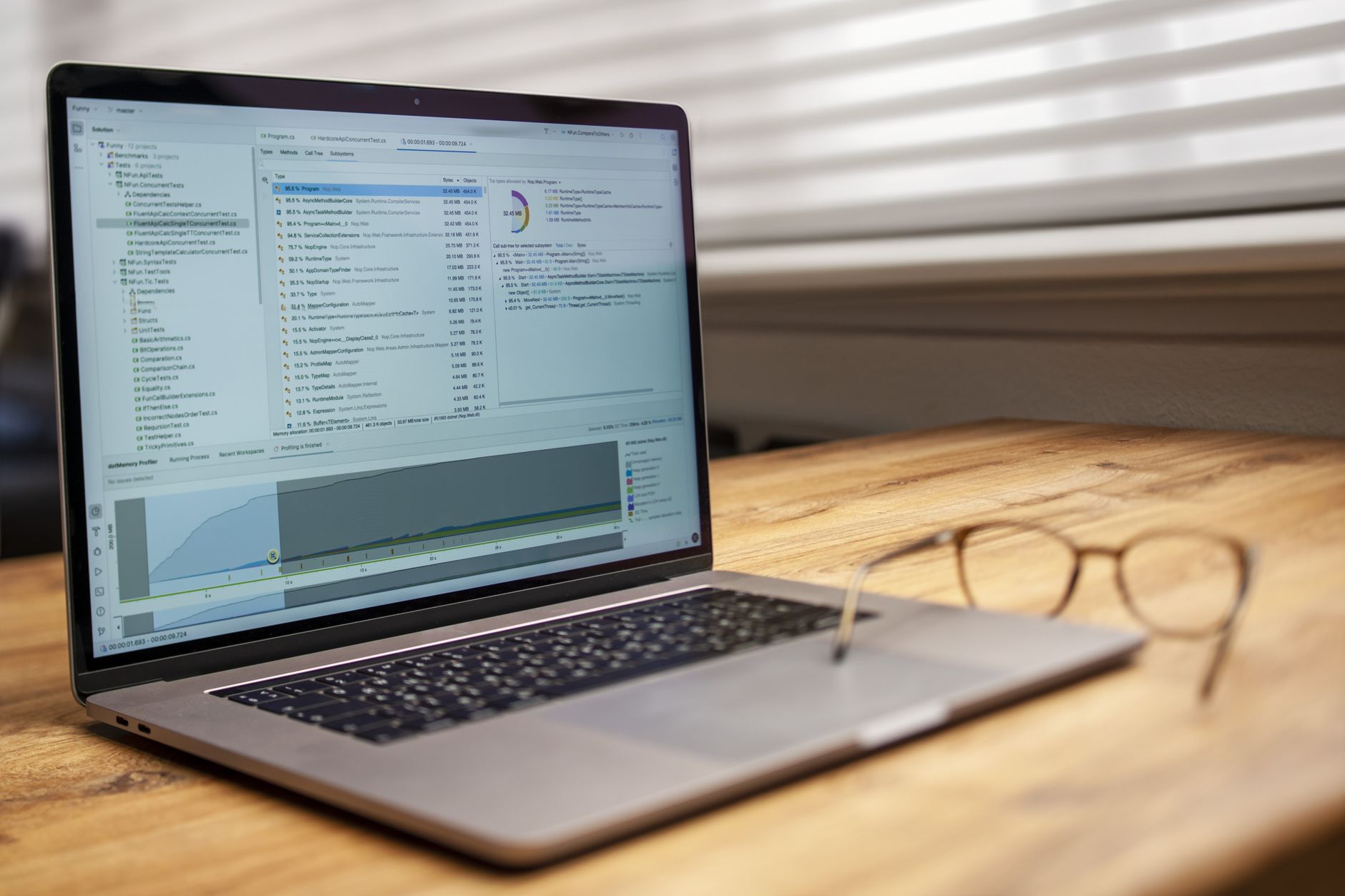
PostgreSQL 19 performance improvements are significant. This latest release promises enhanced speed and efficiency, making it a compelling upgrade for users.
What’s New in PostgreSQL 19?
PostgreSQL 19 has been released, bringing a variety of significant performance improvements that aim to enhance database operations. These enhancements are designed to streamline processes and optimize resource usage for both small and large scale applications.
Some of the notable features include:
- Improved Query Performance: Enhanced query planning and execution strategies have been implemented, allowing for faster data retrieval and processing times.
- Parallel Processing Enhancements: The latest version introduces better support for parallel queries, which allows multiple CPU cores to be utilized more effectively, leading to reduced execution times.
- Advanced Indexing Techniques: New indexing methods have been introduced, offering greater speed and efficiency in data access.
- Memory Management Improvements: PostgreSQL 19 features optimized memory allocation, which minimizes overhead and improves overall performance.
Moreover, developers can expect enhanced support for JSON and other data types, which contribute to the flexibility of PostgreSQL databases. As organizations continue to rely on powerful database management systems, the performance improvements in PostgreSQL 19 are essential for maintaining competitive advantages in data-driven environments.
Key Performance Improvements
PostgreSQL 19 brings several key performance improvements that aim to enhance database efficiency and user experience. These upgrades are particularly noteworthy for developers and database administrators looking to optimize their applications.
- Parallel Query Enhancements: The introduction of improved parallel query processing allows for more effective utilization of CPU resources. This means faster response times for complex queries, making data retrieval significantly more efficient.
- Incremental Vacuuming: PostgreSQL 19 features incremental vacuuming, which minimizes the overhead associated with database maintenance. By optimizing this process, users can expect better overall performance during routine tasks.
- Improved Indexing Techniques: The latest version introduces advanced indexing options, such as better handling of B-tree indexes. This change leads to quicker search times and reduced I/O operations.
- Enhanced Partitioning Support: With optimizations in partitioning, PostgreSQL 19 makes it easier to manage large datasets. This is particularly beneficial for applications that require high availability and performance.
Overall, the performance improvements in PostgreSQL 19 are designed to streamline operations and support more demanding workloads, making them a worthy consideration for those looking to upgrade their database systems.
Is PostgreSQL 19 Right for Your Needs?
As organizations evaluate their database solutions, the question arises: is PostgreSQL 19 right for your needs? The latest release brings significant performance improvements, but determining their value depends on your specific use case.
For businesses handling large volumes of data or complex transactions, the enhancements in PostgreSQL 19 could translate to noticeable efficiency gains. Some of the notable changes include:
- Improved query performance: The new execution strategies can optimize how queries are processed, reducing response times.
- Enhanced indexing: The performance improvements in indexing can lead to faster data retrieval and overall better performance.
- Support for parallel processing: This allows for more effective utilization of multi-core processors, which can significantly boost processing speeds for heavy workloads.
However, if your applications are relatively simple or you are not experiencing performance bottlenecks, the upgrade may not be immediately necessary. It’s essential to assess your current infrastructure and future growth needs before making a decision. Ultimately, the performance improvements in PostgreSQL 19 may be worth it for those looking to scale their operations or improve response times, but careful consideration is advised.
User Feedback on PostgreSQL 19
User feedback on PostgreSQL 19 has been overwhelmingly positive, particularly regarding the performance improvements that many users have experienced. Database administrators and developers have taken to forums and social media to share their thoughts on the enhancements.
- Faster Query Execution: Many users have reported significant reductions in query execution times. The new query planner optimizations in PostgreSQL 19 are receiving particular praise for their efficiency.
- Improved Indexing: The enhancements to the indexing algorithms have made data retrieval faster, which is crucial for applications with large datasets. Users are excited about the ability to handle complex queries more effectively.
- Scalability: Feedback indicates that PostgreSQL 19’s performance improvements allow for better scalability, enabling applications to handle increased loads without degradation in speed.
- Real-World Testing: Several organizations have conducted extensive benchmarking, reporting up to a 30% increase in performance compared to previous versions. This has led to discussions on the overall value of upgrading to PostgreSQL 19.
While some users are still assessing the transition costs, the consensus suggests that the performance enhancements make PostgreSQL 19 a worthy consideration for those seeking to optimize their database operations.
How to Upgrade to PostgreSQL 19
Upgrading to PostgreSQL 19 is a straightforward process, but it requires careful planning to ensure a smooth transition. Here are some essential steps to consider:
- Backup Your Data: Always start by creating a complete backup of your existing database. This step is crucial to prevent data loss during the upgrade.
- Check Compatibility: Review the release notes for PostgreSQL 19 to identify any deprecated features or changes that may affect your current applications.
- Test the Upgrade: Before upgrading your production environment, test the new version in a staging environment. This allows you to evaluate the performance improvements and identify potential issues.
- Use the Upgrade Tool: PostgreSQL provides a tool called pg_upgrade that simplifies the upgrade process. This tool can help you migrate your data with minimal downtime.
- Monitor Performance: After the upgrade, closely monitor the performance of your database. Pay special attention to the enhancements brought by PostgreSQL 19 performance improvements to ensure they meet your expectations.
Following these steps will help you take full advantage of the new features and performance enhancements available in PostgreSQL 19.
Many users are eager to explore the PostgreSQL 19 performance improvements to determine if they truly enhance database efficiency. By analyzing real-world applications, we can better understand how these PostgreSQL 19 performance improvements impact overall system performance.
Photo by Daniil Komov on Pexels
Where this came from
Uncensored AI Models: The Clear Risks and Proven Benefits · Elder Scrolls Online Update: Best Companion Customization Guide · Is the iPhone Duo the Worst Choice for You?