
 Fruit-Eating Dinosaur: The Best Proven Discovery of 2023
 Open Source AI Models: The Best Proven Innovations
 Is the glass-free 3D display from Sony the best tech innovation?
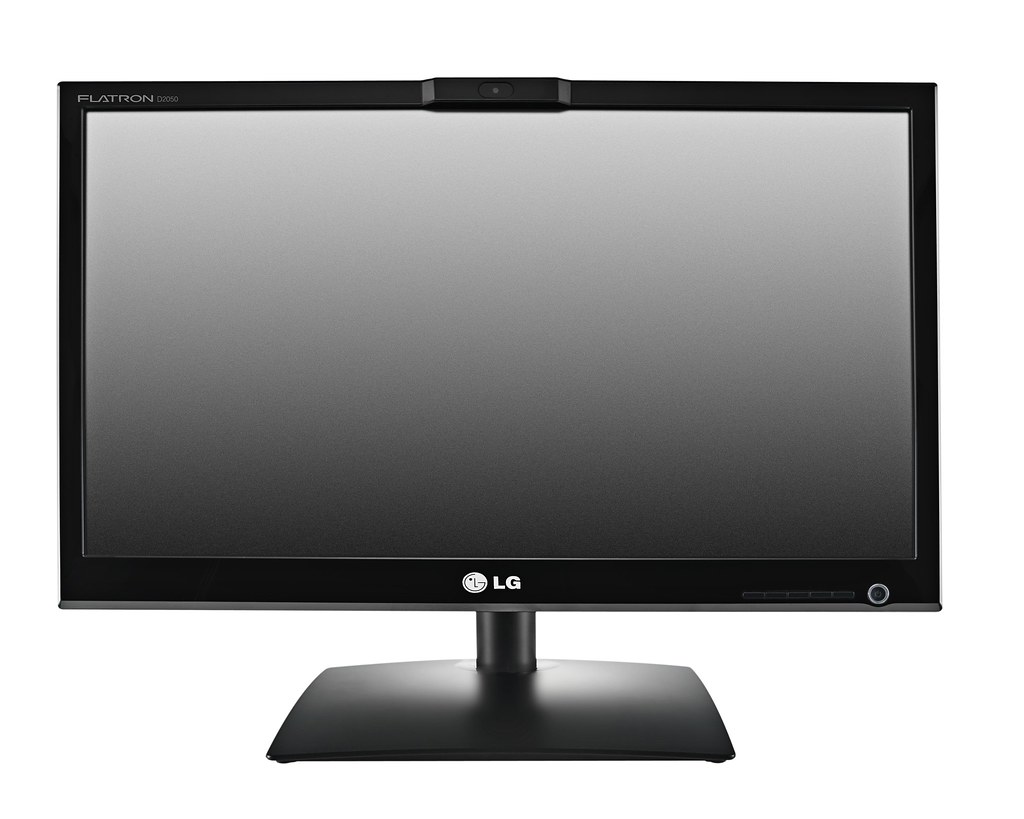
The glass-free 3D display is changing the way we enjoy anime. Sony’s ELF-MN1 offers a unique viewing experience without the need for glasses, making it a standout in tech innovations.
What is the ELF-MN1?
The ELF-MN1 is Sony’s latest innovation in display technology, designed to deliver a truly immersive experience without the need for glasses. This glass-free 3D display utilizes advanced autostereoscopic technology, allowing viewers to enjoy three-dimensional visuals from various angles. The ELF-MN1 is specifically tailored for anime and other animation content, making it a standout choice for fans of the genre.
Featuring a high-resolution screen, the ELF-MN1 provides vibrant colors and sharp details that bring characters and scenes to life. The device is equipped with a unique light field display system that creates depth perception, ensuring that the 3D effects are both convincing and engaging.
Some key features of the ELF-MN1 include:
- Autostereoscopic technology: No glasses required for a 3D experience.
- High-resolution display: Enhances clarity and detail.
- Wide viewing angles: Allows multiple viewers to enjoy the display simultaneously.
- Anime-focused content: Optimized for a rich viewing experience in animated genres.
Overall, the ELF-MN1 represents a significant leap in the realm of glass-free 3D displays, offering users a new way to experience their favorite media.
How does glass-free 3D work?
The concept of glass-free 3D technology revolves around creating a three-dimensional experience without the need for traditional glasses. This innovative approach employs a series of advanced techniques to produce images that appear to float in space, enhancing the viewer’s experience and eliminating discomfort often associated with wearing 3D glasses.
At the core of this technology are several key elements:
- Light Field Display: This method captures and projects light from multiple angles, allowing the brain to perceive depth naturally.
- Parallax Barrier: Utilized in some glass-free 3D displays, this barrier directs light to each eye separately, creating a stereoscopic effect without glasses.
- High-Resolution Imaging: With advancements in display resolution, glass-free 3D displays can produce sharper and more vibrant images, enhancing the overall visual experience.
These techniques combine to create a seamless, immersive environment for users, whether they are watching films, playing video games, or interacting with applications. The glass-free 3D display from Sony, known as the ELF-MN1, exemplifies this technology, offering an engaging viewing experience that could redefine how we interact with digital content.
Benefits of glass-free displays
The introduction of glass-free 3D displays, such as Sony’s ELF-MN1, marks a significant advancement in visual technology, offering numerous benefits that enhance user experience.
- Enhanced Viewing Experience: Glass-free 3D displays create a more immersive experience, allowing users to enjoy content in three dimensions without the need for special glasses. This accessibility can attract a wider audience.
- Reduced Eye Strain: Traditional 3D displays can lead to discomfort and fatigue due to prolonged use. Glass-free 3D technology minimizes these issues, making it easier for users to enjoy extended viewing sessions.
- Improved Interaction: The absence of glass allows for more interactive experiences. Users can engage with holographic content more naturally, enhancing both gaming and creative applications.
- Portability: Glass-free displays are typically lighter and more compact, making them suitable for various environments, from home offices to public displays.
- Versatility: This technology can be applied across different fields, including education, gaming, and entertainment, showcasing its potential to redefine how we consume visual media.
With these advantages, glass-free 3D displays stand out as a noteworthy innovation that could change our interaction with digital content.
Comparing traditional vs glass-free
The emergence of glass-free 3D display technology, such as Sony’s ELF-MN1, marks a significant shift from traditional 3D displays that rely on glasses for depth perception. This innovation provides a more immersive visual experience without the discomfort often associated with glasses.
When comparing traditional 3D displays to glass-free options, several key differences arise:
- Viewing Experience: Traditional displays often require users to wear glasses, which can lead to eye strain and discomfort over extended periods. In contrast, glass-free 3D displays allow viewers to experience depth and dimension naturally, enhancing comfort and enjoyment.
- Accessibility: Glass-free 3D displays can cater to a wider audience, including those who might have difficulty wearing glasses. This inclusivity opens up new possibilities for gamers, designers, and content creators.
- Design Flexibility: The absence of glasses allows for more versatile design options in various environments, making glass-free 3D displays suitable for both personal and professional use.
- Content Adaptation: Traditional 3D content must be specifically designed for glasses, while glass-free 3D displays can utilize existing media with minimal adaptation, streamlining content creation.
In summary, the glass-free 3D display represents a modern evolution in visual technology, prioritizing viewer comfort and accessibility while enhancing the overall experience.
User experiences with ELF-MN1
Users who have had the chance to experience the ELF-MN1 have shared a range of impressions, highlighting both its strengths and weaknesses. Many have praised the glass-free 3D display for its ability to create vibrant, lifelike visuals that seem to leap off the screen. One user noted, “The depth and clarity are astonishing; it feels like the characters are right in the room with you.”
However, some users have pointed out challenges with viewing angles and optimal distances. A common concern is that the 3D effect can diminish if viewed from certain angles, making it essential to position the display correctly. One user commented, “You really have to sit in the right spot to fully appreciate the 3D experience.”
Additionally, the ELF-MN1 has been noted for its impressive response times, particularly when displaying fast-moving content. Users enjoyed watching action-packed scenes, where the glass-free 3D capabilities enhanced the overall experience. Yet, some have mentioned a learning curve when transitioning from traditional displays.
In summary, while the ELF-MN1 offers an innovative and exciting glimpse into the future of display technology, user feedback suggests that it might not be for everyone, depending on individual viewing preferences and setups.
Future of 3D technology
The future of 3D technology appears to be promising, especially with innovations like the glass-free 3D display from Sony. As advancements in display technology continue, the potential for more immersive experiences grows. The ELF-MN1 demonstrates how the absence of traditional glass can enhance user interaction and visual engagement.
Experts believe that the rise of glass-free 3D displays could revolutionize various industries, including:
- Entertainment: Enhanced viewing experiences for movies and video games.
- Education: Interactive learning tools that make complex subjects more accessible.
- Medical: Improved visualization techniques for surgeries and diagnostics.
- Advertising: Engaging displays that captivate audiences in retail settings.
Moreover, as consumer preferences shift towards more immersive technologies, manufacturers are likely to invest in the development of glass-free displays. With companies like Sony leading the charge, the glass-free 3D display could become a staple in homes and businesses alike.
As we look ahead, the integration of glass-free 3D technology into everyday life may not only enhance our viewing experiences but also redefine how we interact with digital content across multiple platforms.
Sony’s role in tech innovation
Sony has long been a pioneer in the realm of technology, continually pushing the boundaries of what is possible. With the introduction of the ELF-MN1, the company has once again demonstrated its commitment to innovation, specifically in the area of glass-free 3D display technology. This new display captures the imagination of consumers and tech enthusiasts alike, providing a glimpse into the future of 3D experiences.
By eliminating the need for traditional 3D glasses, Sony’s glass-free 3D display offers a more accessible and immersive viewing experience. This innovation not only enhances the visual appeal of media but also opens up new possibilities for gaming, virtual reality, and professional applications. As the demand for more engaging content continues to grow, Sony’s advancements in glass-free technology position the company as a leader in the competitive tech landscape.
Furthermore, Sony’s dedication to refining display technology aligns with its broader vision of creating products that enrich the lives of users. By integrating cutting-edge features and user-friendly designs, Sony has successfully set itself apart from competitors, ensuring that its products remain at the forefront of the industry. The glass-free 3D display is just one example of how Sony continues to innovate and shape the future of visual technology.
Conclusion: Is it worth it?
In conclusion, the glass-free 3D display from Sony, the ELF-MN1, represents a significant step forward in visual technology. Users have reported that the immersive experience it provides is unlike anything currently offered by traditional displays. However, the question remains: is it worth the investment?
Here are some factors to consider:
- Price: The ELF-MN1 is priced higher than standard monitors, which may be a barrier for some consumers.
- Use Case: For gamers and professionals who require high-quality visuals, the glass-free 3D display could enhance their experience and productivity.
- Technology Adoption: As 3D technology continues to evolve, early adopters may find themselves at the forefront of a new trend.
- Content Availability: Currently, the range of 3D content compatible with the ELF-MN1 is limited, which could affect its appeal.
Ultimately, whether the glass-free 3D display is worth it depends on individual preferences and needs. For enthusiasts eager to explore cutting-edge technology, the ELF-MN1 might be a worthwhile investment. However, for casual users, it may be best to wait for broader content options and price reductions before making the leap.
The glass-free 3D display has garnered significant attention for its potential to revolutionize the way we experience visual content. Many tech enthusiasts are eager to see if the glass-free 3D display from Sony can truly set a new standard in immersive technology.
By LGEPR via Openverse