
 AI agents in research: The Best Proven Approach for R&D
 iPhone Duo kickstand problem: Is this the best simple fix?
 New Fallout Releases: Best Proven Games to Look Forward To
 I’m Game OTT Release: The Best Way to Watch Dulquer’s Film
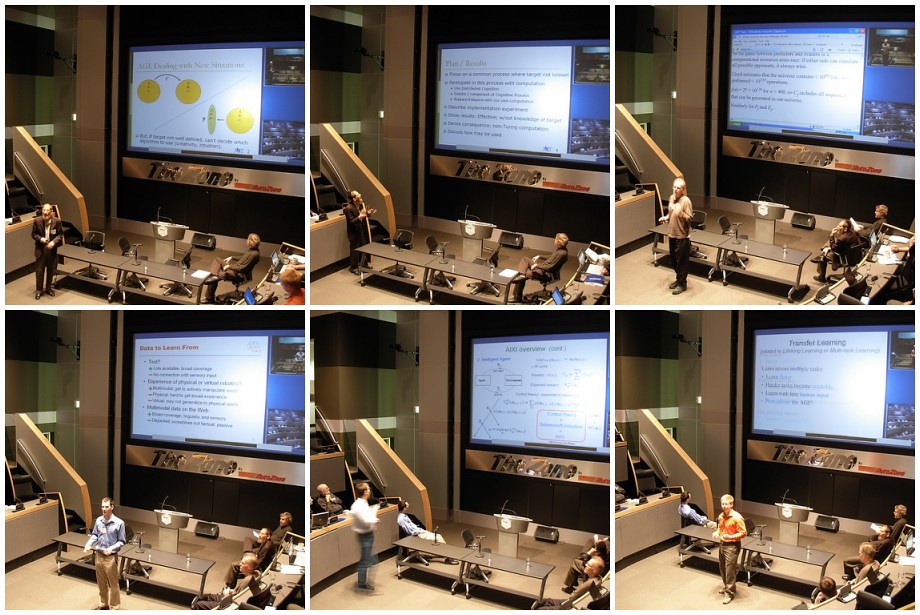
AI agents in research are gaining traction as cutting-edge tools for scientific exploration. Tencent Hunyuan’s latest release, Hyra 2.0, showcases how these agents can enhance large models and hardcore R&D efforts.
Introduction to AI Agents
As the landscape of research and development (R&D) continues to evolve, the introduction of AI agents in research has garnered significant attention. These advanced systems are designed to enhance the capabilities of researchers, enabling them to tackle complex scientific challenges with unprecedented efficiency.
Recent developments, such as Tencent Hunyuan’s launch of Hyra 2.0, highlight the potential of AI agents. This innovative platform allows AI agents to fully participate in the creation and analysis of scientific large models, pushing the boundaries of what is possible in hardcore R&D.
The integration of AI agents into research processes offers several key benefits:
- Increased Efficiency: AI agents can process vast amounts of data far quicker than human researchers, enabling faster decision-making and hypothesis testing.
- Enhanced Collaboration: These agents facilitate collaboration among researchers by providing real-time insights and recommendations based on the latest findings.
- Data-Driven Insights: AI agents can identify patterns and trends within research data that may not be immediately obvious to human analysts.
- Resource Optimization: By automating routine tasks, AI agents allow researchers to focus on more strategic aspects of their work.
In conclusion, the advent of AI agents in research represents a paradigm shift, offering powerful tools that can significantly enhance the R&D process.
How Hyra 2.0 Enhances Research
The recent unveiling of Hyra 2.0 by Tencent Hunyuan marks a significant advancement in the integration of AI agents in research. This innovative platform is designed to enhance the capabilities of AI agents, enabling them to participate fully in scientific large models and rigorous R&D processes.
Hyra 2.0 introduces several key features that make it a game-changer for researchers:
- Enhanced Collaboration: The platform allows AI agents to work alongside human researchers, facilitating a collaborative environment where ideas can flow freely and efficiently.
- Advanced Data Analysis: With improved algorithms, Hyra 2.0 can analyze vast datasets at unprecedented speeds, identifying patterns and insights that would take humans significantly longer to uncover.
- Real-time Feedback: Researchers can now receive immediate feedback from AI agents, allowing for quicker iterations and refinements of their hypotheses and experimental designs.
- Scalability: The platform can easily scale to accommodate different research needs, whether for small projects or large-scale studies, making it versatile for various fields.
By utilizing AI agents in research, particularly through the capabilities provided by Hyra 2.0, researchers can push the boundaries of innovation and discovery, ultimately leading to breakthroughs that were previously thought unattainable. This evolution signifies a new era in R&D, where AI becomes an indispensable ally in the pursuit of knowledge.
Benefits of AI in Scientific Models
The integration of AI agents in research has transformed the landscape of scientific inquiry, offering numerous benefits that enhance the quality and efficiency of R&D processes. By leveraging advanced algorithms and data analytics, these AI agents can streamline complex tasks, allowing researchers to focus on innovation and discovery.
One of the primary benefits of AI agents in scientific models is their ability to process vast amounts of data quickly and accurately. This capability not only accelerates data analysis but also uncovers patterns and insights that may be challenging for human researchers to identify. As a result, researchers can make informed decisions based on real-time data, leading to more effective experiments and outcomes.
Additionally, AI agents are capable of simulating various scenarios, enabling scientists to explore potential outcomes without the need for extensive physical trials. This not only saves time and resources but also reduces the risks associated with traditional research methods.
Furthermore, AI agents can facilitate collaboration across disciplines by integrating knowledge from various fields. This interdisciplinary approach fosters innovation and can lead to groundbreaking discoveries that address complex scientific challenges.
In summary, the adoption of AI agents in research enhances scientific models by increasing efficiency, improving data analysis, and promoting collaborative efforts. As these technologies continue to evolve, their role in R&D will likely expand, making them an indispensable asset in the quest for knowledge and advancement.
Challenges in Implementing AI Agents
Despite the promising potential of AI agents in research, there are significant challenges that organizations face when implementing these technologies. Understanding these challenges is crucial for ensuring successful integration into research and development processes.
- Data Quality and Availability: AI agents heavily rely on the quality of data they are trained on. In many cases, researchers encounter issues with incomplete, biased, or outdated datasets, which can hinder the performance of AI models.
- Integration with Existing Systems: Many research institutions utilize a variety of legacy systems that may not easily accommodate new AI technologies. Ensuring seamless integration can be both time-consuming and costly.
- Skill Gaps: There is often a lack of skilled personnel who can effectively develop and manage AI agents in research settings. This skills gap can slow down the adoption of AI technologies and limit their effectiveness.
- Ethical Considerations: The deployment of AI agents raises several ethical questions, including issues related to transparency, accountability, and bias. Researchers must navigate these concerns to maintain public trust.
- Regulatory Compliance: As AI technologies develop, regulatory landscapes are also evolving. Ensuring compliance with new regulations can pose a challenge for research institutions looking to implement AI agents in their projects.
Addressing these challenges is essential for maximizing the potential of AI agents in research and achieving meaningful advancements in R&D.
Future of AI in Research and Development
The future of AI in research and development appears promising as advancements in AI agents continue to reshape the landscape of scientific inquiry. With the launch of platforms like Hyra 2.0, AI agents are now capable of fully participating in complex scientific models and hardcore R&D, marking a significant evolution in research methodologies.
As organizations integrate AI agents into their research frameworks, several key trends are emerging:
- Increased Collaboration: AI agents facilitate seamless collaboration among researchers by analyzing vast datasets and identifying patterns that may go unnoticed by human researchers.
- Enhanced Efficiency: By automating repetitive tasks, AI agents free up valuable time for researchers to focus on innovative problem-solving and creative thinking.
- Data-Driven Insights: AI agents leverage machine learning algorithms to provide data-driven insights, helping researchers make informed decisions based on real-time analysis.
- Interdisciplinary Approaches: The versatility of AI agents allows for interdisciplinary research, encouraging collaboration across fields such as biology, physics, and computer science.
However, the integration of AI agents in research is not without challenges. Ethical considerations, data privacy, and the need for robust training datasets must be addressed to ensure responsible AI use. As the capabilities of AI agents continue to expand, their role in research will increasingly become pivotal, setting the stage for groundbreaking discoveries in the years to come.
By brewbooks via Openverse
Sources
Related reading
Claude Code Games: The Right Way to Prevent Duplication · Nobunaga’s Ambition Release Date: Clear Insights You Need · AI Coworkers: Are They the Best Solution for Businesses?