
 Human Brain Gene Virus: The Real Mystery Behind It
  Indic streaming speech model: Best proven solution for telephony
  Online casinos UK: What are the best licensed options?
  Ranji Trophy updates: Shami’s Proven Performance Shines
  Hamilton setup change: Was it the worst decision in Singapore GP?
  Microsoft Decision Model: Best Proven AI Solution Yet
  Is the Vintage Baseball Game Worth Attending? Proven Fun!
  Wolverine PS5 sales show best disc version success
  Origin of Millisecond Signal: Proven Insights from 10 Billion Years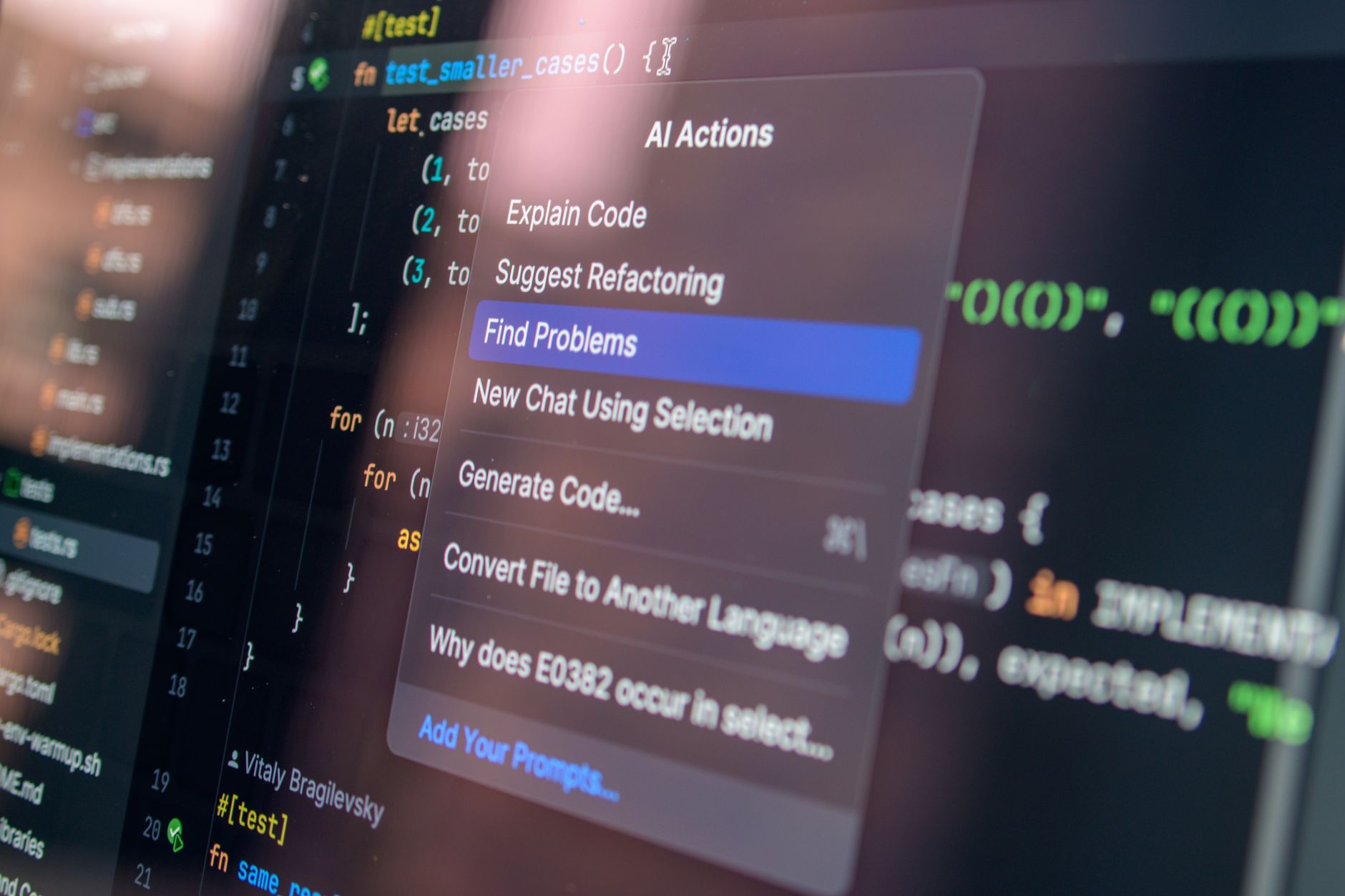
AI security testing is becoming essential for companies looking to enhance their cybersecurity measures. With Palo Alto Networks’ latest launch, organizations can now leverage always-on testing powered by Claude Mythos and GPT-5.6.
What is AI Security Testing?
AI security testing refers to the application of artificial intelligence technologies to enhance the security assessment of software and systems. This innovative approach utilizes machine learning algorithms and data analytics to identify vulnerabilities, assess risks, and improve the overall security posture of organizations.
With the increasing complexity of cyber threats, traditional security testing methods may not suffice. AI security testing introduces automation and intelligence, enabling security teams to analyze vast amounts of data rapidly and accurately. This method not only speeds up the testing process but also improves the detection of potential security flaws.
Key features of AI security testing include:
- Continuous Monitoring: AI-powered tools can provide real-time insights and alerts, ensuring that vulnerabilities are detected and addressed promptly.
- Predictive Analytics: By analyzing historical data, AI can predict potential security breaches before they occur, allowing organizations to take proactive measures.
- Automated Testing: AI can automate repetitive testing tasks, freeing up security professionals to focus on more complex issues.
As a result, AI security testing has emerged as a proven solution for organizations aiming to bolster their defenses against evolving cyber threats.
Key Features of the New Launch
The recent launch of AI security testing by Palo Alto Networks introduces several key features that set it apart in the cybersecurity landscape.
- Always-On Protection: This new solution offers continuous security testing, ensuring that vulnerabilities are identified and mitigated in real-time.
- Advanced AI Models: Built on Claude Mythos and GPT-5.6-Cyber, the platform utilizes cutting-edge AI technology to enhance threat detection and response capabilities.
- Automated Vulnerability Assessment: The system automatically scans for weaknesses in the network, significantly reducing the time required for manual testing.
- Customizable Security Protocols: Organizations can tailor security measures according to their specific needs, ensuring more effective protection against evolving threats.
- Seamless Integration: The AI security testing tool integrates smoothly with existing cybersecurity frameworks, allowing for a hassle-free implementation process.
- User-Friendly Dashboard: A comprehensive dashboard provides real-time insights and analytics, empowering security teams to make informed decisions swiftly.
These features position AI security testing as a vital resource for organizations looking to enhance their cybersecurity posture in an increasingly complex digital environment.
How AI Enhances Cybersecurity
Artificial Intelligence (AI) is revolutionizing the field of cybersecurity by introducing innovative methods to enhance protection against cyber threats. One of the most significant advancements in this domain is AI security testing, which employs machine learning algorithms to identify vulnerabilities and predict potential attack vectors.
AI enhances cybersecurity in several ways:
- Real-time Threat Detection: AI can analyze vast amounts of data in real-time, allowing for immediate identification of anomalies that could indicate a security breach.
- Automated Vulnerability Assessment: With AI security testing, organizations can conduct regular assessments without the need for extensive manual intervention, reducing the workload on IT teams.
- Adaptive Learning: AI systems learn from past incidents and continuously improve their detection capabilities, making them more effective over time.
- Enhanced Incident Response: AI can help prioritize threats and automate response actions, ensuring that critical vulnerabilities are addressed swiftly.
- Predictive Analytics: By analyzing patterns and trends, AI can forecast potential security issues and help organizations proactively strengthen their defenses.
As cyber threats evolve, the integration of AI security testing into existing security frameworks is becoming essential for businesses looking to safeguard their digital assets.
The Future of AI in Cybersecurity
The landscape of cybersecurity is rapidly evolving, and the future of AI in cybersecurity looks promising. With the increasing sophistication of cyber threats, organizations are turning to AI security testing as a vital component of their defense strategy. This innovative approach not only streamlines the identification of vulnerabilities but also enhances the overall security posture of businesses.
As AI technologies advance, we can expect several key trends to shape the future of cybersecurity:
- Real-time Threat Detection: AI systems will become more adept at analyzing data in real-time, allowing for quicker identification and response to potential threats.
- Automated Vulnerability Assessments: The continuous development of AI security testing will enable automated assessments, reducing the burden on IT teams and allowing them to focus on more strategic tasks.
- Predictive Analytics: Future AI systems will leverage vast amounts of data to predict and mitigate potential cyber threats before they materialize.
- Adaptive Learning: By utilizing machine learning algorithms, AI security solutions will continuously adapt to new threats, ensuring ongoing protection.
As seen with the recent launch by Palo Alto Networks, the integration of advanced AI technologies like Claude Mythos and GPT-5.6-Cyber represents a significant step forward in AI security testing, setting the stage for a more secure digital future.
Photo by Daniil Komov on Pexels
Sources
Jev Decision Model: The Smart Replacement for LLM Calls · Yellowstone lake sediments: What are the proven changes? · Voice AI Simulation: Best Proven Testing Platform Expansion