
 Is the Derelikt Demo Launch the Best Gaming Experience Yet?
  AI Chip Manufacturing Deal: Best Proven Strategies for Success
  Claude Haiku 5.5: Is This the Best AI Model Ever?
  Touchscreen MacBook Pro: Best Simple Features to Expect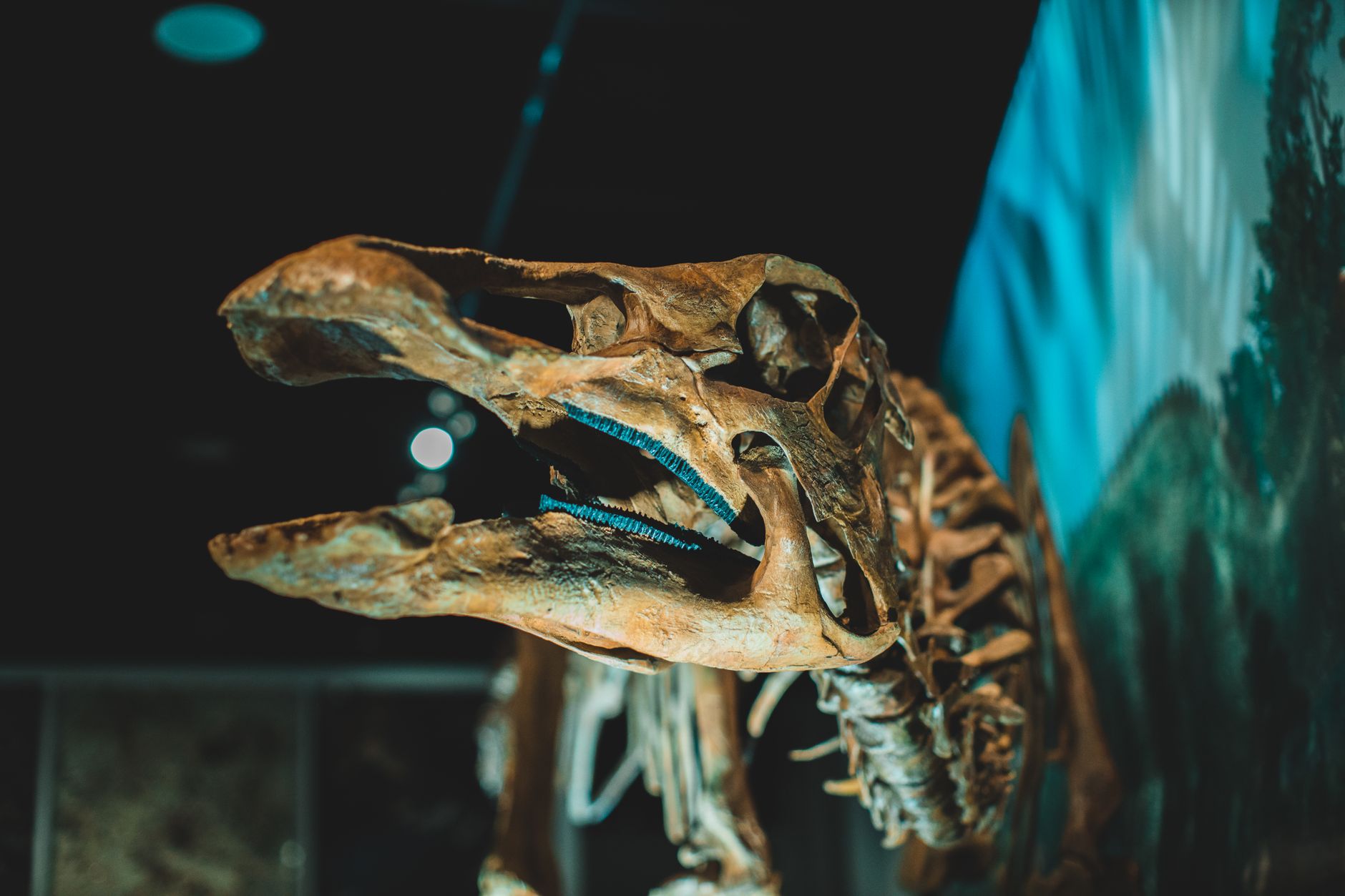
dinosaur fossil discovery has captivated scientists as a remarkable specimen was found deep underground in drill core samples from northern China. This finding could provide valuable insights into prehistoric life.
What is the significance of this dinosaur fossil discovery?
The recent dinosaur fossil discovery in northern China holds significant implications for paleontology and our understanding of prehistoric life. This finding provides a rare glimpse into the ecosystem that existed millions of years ago, offering insights into the species that roamed the region.
Experts believe that the fossil could shed light on the evolutionary history of dinosaurs, as well as their adaptations to changing environments. The depth at which the fossil was found also suggests that it may be part of a larger fossil bed, potentially leading to further discoveries.
Additionally, the location of the find raises questions about the geological history of the area, prompting researchers to explore the connection between the fossilized remains and the ancient climate.
Overall, this dinosaur fossil discovery is not just an exciting find; it is a key to unlocking secrets of the distant past.
How was the fossil found in northern China?
The recent dinosaur fossil discovery in northern China has captivated paleontologists and enthusiasts alike. The fossil was unearthed during a routine drilling operation aimed at extracting geological samples. As the drill penetrated deep underground, it struck an unexpected layer of sediment, revealing the well-preserved remains of a dinosaur.
Researchers quickly mobilized to investigate the site. They employed advanced imaging techniques to assess the fossil’s condition and age. The initial findings suggest that this dinosaur lived approximately 150 million years ago.
Several factors contributed to the remarkable preservation of the fossil, including:
- The anaerobic environment of the sediment.
- Rapid burial shortly after death.
- Minimal disturbance from geological shifts over millions of years.
This dinosaur fossil discovery opens new avenues for understanding the prehistoric ecosystems of the region.
What does this mean for paleontology?
The recent dinosaur fossil discovery in northern China has profound implications for the field of paleontology. This extraordinary find not only enhances our understanding of the evolutionary history of dinosaurs but also sheds light on their habitat and behavior during the time they roamed the Earth.
Experts believe that this fossil could provide critical insights into the climatic conditions of the era, as well as the ecosystem that supported these magnificent creatures.
Moreover, the methods used in this discovery, particularly the drilling technique, may open new avenues for future paleontological research, allowing scientists to explore previously unreachable depths for additional fossils.
As researchers continue to study this remarkable specimen, it is anticipated that we will uncover more details that could reshape our understanding of dinosaur biology and their extinction events.
Expert reactions to the fossil discovery
Experts around the world are buzzing with excitement following the recent dinosaur fossil discovery in northern China. Paleontologist Dr. Sarah Lin expressed her enthusiasm, stating, “This find could change our understanding of dinosaur evolution in the late Cretaceous period.” Similarly, Dr. Mark Thompson noted, “The depth at which the fossil was found offers new insights into the geological history of the region.”
Many scientists are particularly interested in what this dinosaur fossil discovery reveals about ancient ecosystems. Dr. Emily Carter emphasized, “Discoveries like this help us piece together the puzzle of how dinosaurs interacted with their environment.”
As researchers continue to study the fossil, they hope to uncover more details about the species and its habitat, potentially leading to groundbreaking advancements in paleontology.
Historical context of dinosaur fossils in China
The discovery of dinosaur fossils in China has a rich historical context, dating back to the early 20th century. The first significant finds occurred in the 1920s when paleontologists unearthed a variety of dinosaur remains in regions like Liaoning and Xinjiang. This area has since become renowned for its exceptionally well-preserved fossils, offering insights into the evolution and diversity of dinosaurs.
Throughout the decades, China’s fossil discoveries have continually reshaped scientific understanding of these ancient creatures. Many fossils, including those of feathered dinosaurs, have emerged from sites that were once thought to be barren. The recent dinosaur fossil discovery in northern China adds another chapter to this fascinating narrative, highlighting the country’s importance in the global paleontological landscape.
As excavation techniques advance, the potential for further discoveries remains high, promising to unveil more secrets about the age of dinosaurs.
Future research plans for the fossil site
Researchers are eager to explore the newly discovered dinosaur fossil site further, as it holds great promise for future paleontological studies. Future research plans involve a comprehensive analysis of the fossil’s geological context, which may provide insights into the environment in which these dinosaurs lived.
Moreover, scientists aim to:
- Conduct additional drilling to uncover more fossilized remains in the surrounding area.
- Utilize advanced imaging techniques to study the structure and composition of the fossil.
- Collaborate with international experts to share findings and enhance understanding of dinosaur evolution.
This dinosaur fossil discovery not only adds to the existing knowledge of prehistoric life but also opens new avenues for research that could reshape our understanding of dinosaurs in China and beyond.
Challenges in studying underground fossils
Studying dinosaur fossil discoveries, particularly those found deep underground, presents several challenges for paleontologists. One of the primary issues is the accessibility of the fossils, as they are often encased in hard rock, requiring advanced drilling techniques and equipment.
Moreover, the context in which the fossils are found can complicate their study. Fossils can be disturbed during the drilling process, making it difficult to determine their original position and surrounding environment.
Additionally, extracting these fossils without damaging them is a delicate process that demands precision. Researchers often rely on a combination of traditional paleontological methods and modern technology to analyze samples and gather data.
These challenges highlight the importance of continued innovation in paleontological research, especially in light of the recent dinosaur fossil discovery in northern China.
Photo by Jonathan Cooper on Pexels
Where this came from
Related stories
iPhone Handoff feature: Worst $5 Monthly Charge Explained · Standards Hearing: Councillor’s Case Raises Serious Concerns · Duan Jansen debut: Is it the best moment for South Africa?