
 Wolverine PS5 sales show best disc version success
  Origin of Millisecond Signal: Proven Insights from 10 Billion Years
  Is the Derelikt Demo Launch the Best Gaming Experience Yet?
  AI Chip Manufacturing Deal: Best Proven Strategies for Success
  Claude Haiku 5.5: Is This the Best AI Model Ever?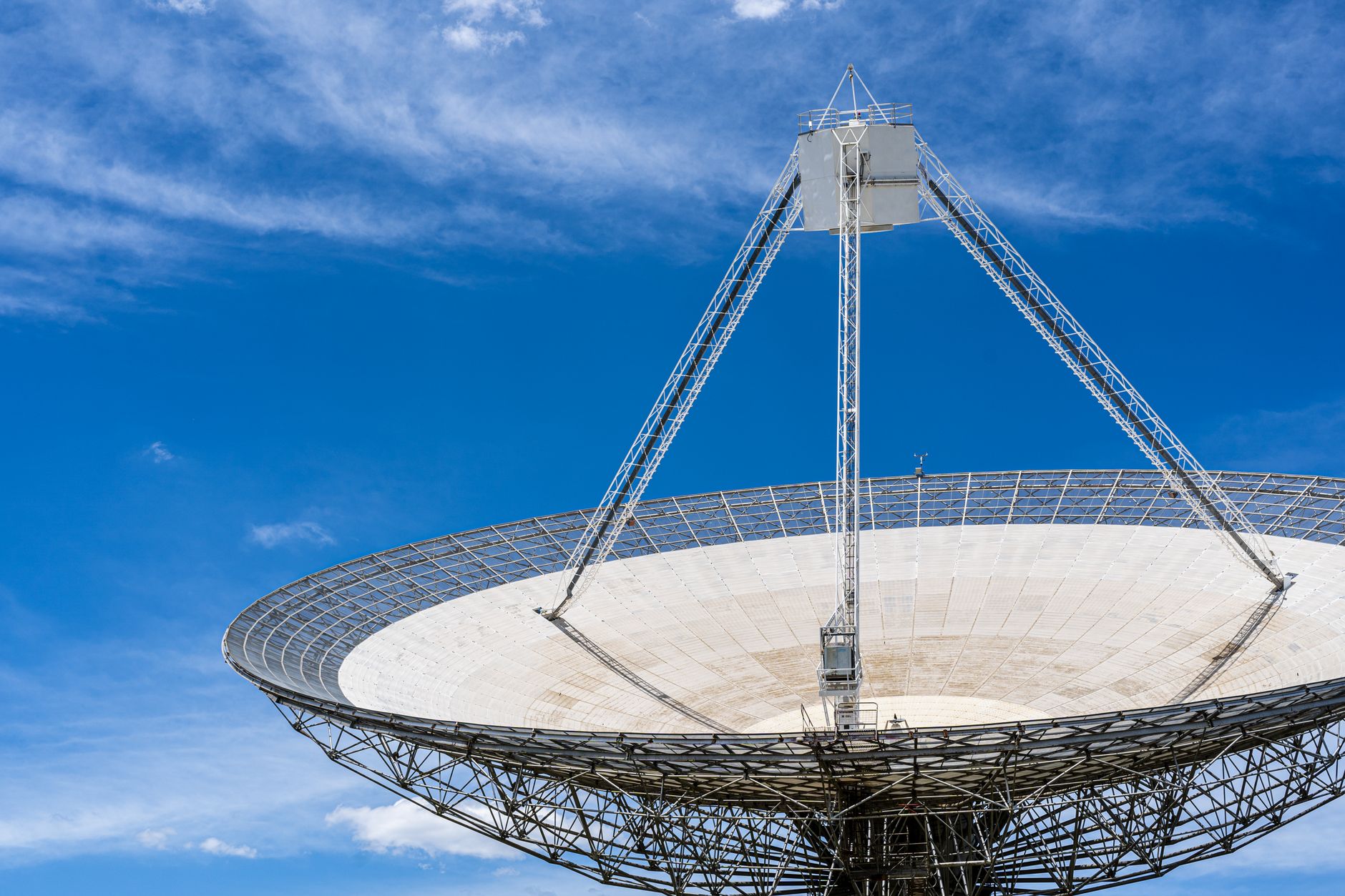
The origin of millisecond signal has been pinpointed by astronomers, unveiling a remarkable 10 billion-year-old mystery from space. This discovery sheds light on the universe’s early history and the phenomena that shaped it.
What is a Millisecond Signal?
A millisecond signal is a type of radio pulse that emanates from cosmic sources, characterized by its rapid and consistent emissions. These signals are often generated by pulsars, which are rapidly rotating neutron stars that emit beams of radiation. When aligned with Earth, these beams create a detectable pulse, resembling a lighthouse effect.
The significance of understanding the origin of millisecond signals lies in their potential to provide insights into the universe’s history and the behavior of exotic matter. These signals are not only fascinating but also serve as cosmic clocks, allowing astronomers to study various phenomena, including gravitational waves and the expansion of the universe.
In recent research, astronomers have successfully pinpointed the origin of a millisecond signal that dates back 10 billion years. This groundbreaking discovery offers a deeper understanding of the conditions and events that shaped the early universe. By analyzing these ancient signals, scientists hope to unravel mysteries surrounding dark matter and the cosmic microwave background.
As research continues, the importance of millisecond signals in astrophysics is becoming increasingly clear, highlighting their role in bridging the gap between the past and present of our universe.
The Discovery Process
The discovery process behind the origin of the millisecond signal has captivated astronomers and researchers alike. Starting with the initial detection of the signal, scientists utilized advanced telescopes and imaging technology to monitor celestial phenomena over extended periods. This method allowed them to gather extensive data on various cosmic sources.
Through meticulous analysis, researchers identified patterns and characteristics unique to the millisecond signal. They employed complex algorithms to filter out noise and distinguish genuine signals from background interference. Key findings emerged from the observation of specific regions in the universe, hinting at the potential sources of these signals.
Collaboration among international teams further accelerated the research. By sharing data and insights, astronomers were able to piece together a clearer picture of the signal’s origin. The culmination of these efforts revealed that the millisecond signal originated from a specific type of astronomical event, which occurred approximately 10 billion years ago.
This groundbreaking discovery not only enhances our understanding of the millisecond signal but also opens new avenues for exploring the universe’s history and the phenomena that shaped it.
Astronomical Implications
The discovery of the origin of the millisecond signal has profound implications for our understanding of the universe. This ancient signal, which dates back 10 billion years, offers insights into the conditions of the early cosmos and the processes that shaped it.
Researchers believe that this signal is linked to the formation of the first stars and galaxies. By analyzing the characteristics of the signal, astronomers can infer details about the matter and energy present during that era. The implications of such findings are vast and include:
- Cosmological Models: The data may challenge existing models of cosmic evolution, necessitating revisions or new theories.
- Dark Matter Research: Understanding the conditions that produced the signal could shed light on the nature of dark matter, a mysterious component of the universe.
- Galaxy Formation: Insights into the early millisecond signal can refine theories regarding how galaxies formed and evolved over billions of years.
These astronomical implications highlight the importance of continued research into the origin of millisecond signal, as each discovery helps to unravel the mysteries of the universe.
Understanding Cosmic Signals
Recent advancements in astrophysics have shed light on the origin of millisecond signal emissions, leading to groundbreaking insights into the universe’s history. Astronomers have utilized advanced telescopes to trace these enigmatic signals back to their cosmic roots, revealing their journey across 10 billion years. This timeline not only highlights the vastness of the universe but also showcases the resilience of these signals as they traverse space.
Understanding these cosmic signals is crucial for several reasons:
- Historical Context: The signals provide a glimpse into the conditions of the universe shortly after the Big Bang.
- Cosmic Evolution: They help scientists comprehend the formation and evolution of galaxies and other celestial bodies.
- Technological Advancements: The methods developed to detect these signals have improved our observational capabilities significantly.
By analyzing the characteristics of the millisecond signal, researchers can decode the underlying physics, offering a better understanding of the cosmos. As scientists continue to unravel these mysteries, our grasp of the universe’s origins becomes ever clearer.
Research Methods Used
The research into the origin of the millisecond signal involved a combination of advanced observational techniques and theoretical modeling. Astronomers utilized state-of-the-art telescopes equipped with sensitive detectors to capture faint cosmic signals emanating from distant galaxies.
Key methods included:
- Radio Observations: High-frequency radio telescopes collected data over several wavelengths to identify specific signal patterns.
- Spectroscopic Analysis: Researchers employed spectroscopy to analyze the light emitted from sources, helping to determine their chemical composition and distance.
- Computational Simulations: Advanced simulations were run to model the behavior of cosmic phenomena that could produce such signals, aiding in the understanding of their origins.
- Cross-correlation Techniques: By comparing data from multiple observations, scientists were able to isolate the millisecond signal from background noise.
This rigorous approach not only confirmed the existence of the millisecond signal but also provided insights into its age, reinforcing theories about cosmic evolution over the past 10 billion years. The findings open new avenues for studying the universe’s history.
Future of Space Exploration
As astronomers delve deeper into the cosmos, the future of space exploration holds exciting possibilities, particularly regarding the origin of millisecond signals. The recent discovery of a 10 billion-year-old signal has opened new avenues for understanding the universe’s formation and evolution.
New technologies and methodologies will play a crucial role in advancing our exploration efforts. Some key areas of focus include:
- Advanced Telescopes: The development of powerful telescopes equipped with cutting-edge sensors will enhance our ability to detect faint signals from distant celestial bodies.
- Artificial Intelligence: AI can assist in analyzing vast amounts of data, identifying patterns, and potentially uncovering new signals that may reveal more about the origins of our universe.
- International Collaborations: Partnerships among global research institutions can facilitate shared knowledge and resources, accelerating discoveries related to cosmic phenomena.
As researchers continue to explore the implications of the millisecond signal, the potential for groundbreaking findings about the universe’s history and structure remains vast, promising an exciting future for space exploration.
The origin of millisecond signal has long puzzled astronomers, leading to extensive research and debate. Recent discoveries provide proven insights from 10 billion years of cosmic history that illuminate this enigmatic phenomenon.
Photo by Jake Heinemann on Pexels