
 Wolverine PS5 sales show best disc version success
  Origin of Millisecond Signal: Proven Insights from 10 Billion Years
  Is the Derelikt Demo Launch the Best Gaming Experience Yet?
  AI Chip Manufacturing Deal: Best Proven Strategies for Success
  Claude Haiku 5.5: Is This the Best AI Model Ever?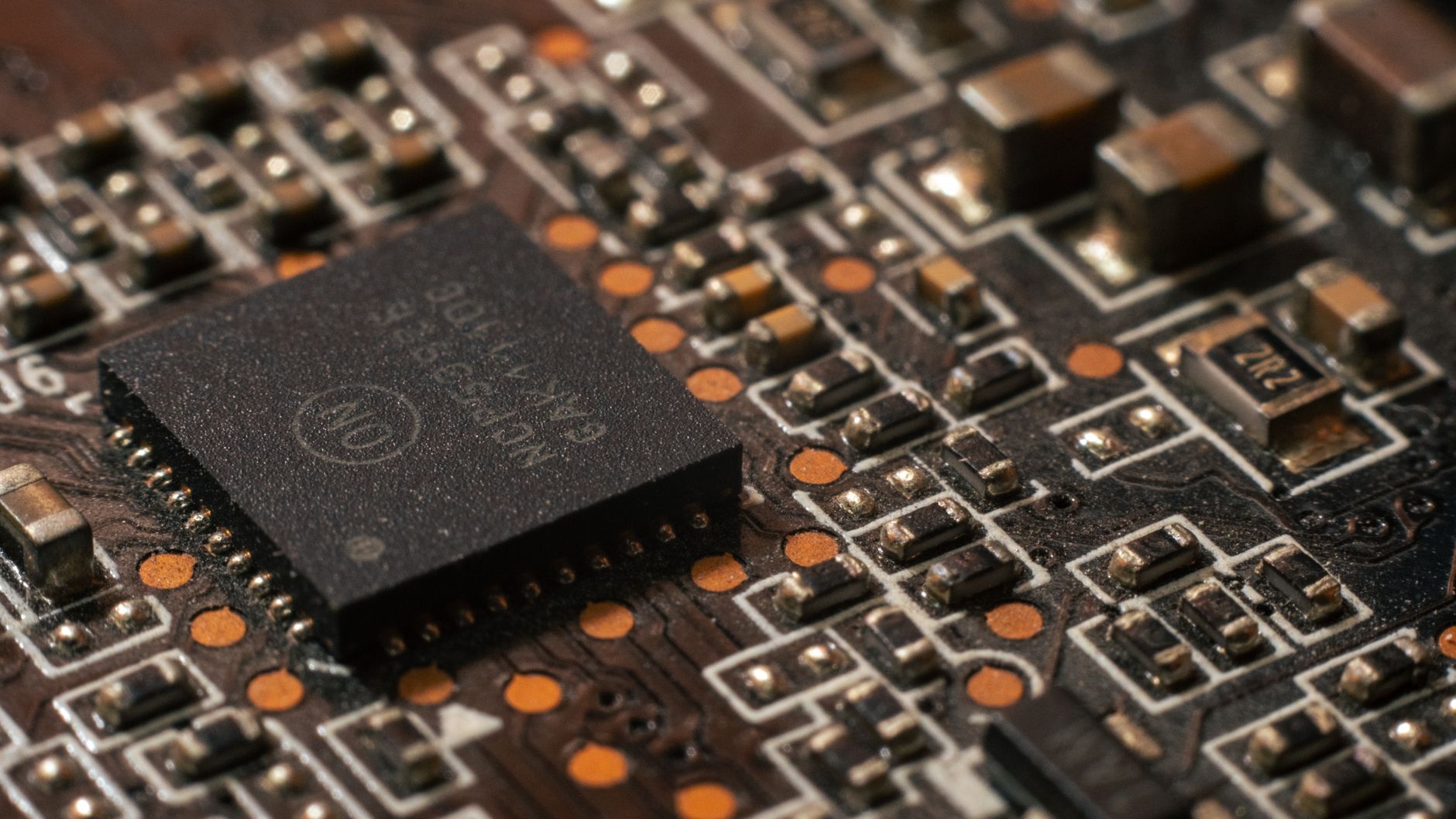
Huawei AI chips are set to launch in 2027, marking a significant move to challenge Nvidia’s industry leadership. This development highlights Huawei’s commitment to advancing AI technology and competing in the high-stakes chip market.
Overview of Huawei’s AI Chip Strategy
Huawei has unveiled an ambitious strategy to bolster its position in the AI chip market, aiming to compete directly with industry leader Nvidia. The company plans to launch a new series of AI chips by 2027, signaling its commitment to innovation and technological advancement in this rapidly evolving sector.
Key aspects of Huawei’s strategy include:
- Research and Development: A significant investment in R&D to enhance the performance and efficiency of their AI chips.
- Collaboration: Partnerships with various tech firms and research institutions to drive innovation.
- Market Expansion: Targeting diverse industries, including healthcare and automotive, to promote the adoption of their AI solutions.
Huawei’s AI chips are designed to tackle complex tasks and improve processing speeds, potentially positioning them as a viable alternative to Nvidia’s offerings. By prioritizing advancements in AI technology, Huawei aims to capture a substantial share of the market, challenging the dominance of established players and reshaping the competitive landscape.
How Huawei Plans to Compete with Nvidia
Huawei is making significant strides to position its AI chips as a formidable competitor to Nvidia in the rapidly evolving market. The company has laid out a detailed plan that focuses on several key areas.
- Innovation in Technology: Huawei aims to leverage its expertise in semiconductor design and manufacturing to develop cutting-edge AI chips that can outperform existing solutions.
- Investment in Research: A significant portion of Huawei’s budget is being allocated to research and development, ensuring that its AI chips incorporate the latest advancements in artificial intelligence.
- Strategic Partnerships: Collaborations with other tech firms and academic institutions are being pursued to foster innovation and enhance the capabilities of Huawei AI chips.
- Market Adaptation: Understanding the needs of various industries, Huawei plans to tailor its AI chips to meet specific demands, ranging from cloud computing to autonomous vehicles.
As Huawei sets its sights on a 2027 launch for its new AI chips, the company is determined to challenge Nvidia’s dominance by delivering high-performance alternatives that cater to a broad spectrum of applications.
The Impact of New AI Chips on the Market
The introduction of Huawei AI chips is poised to significantly impact the semiconductor market, particularly as the company aims to challenge established leaders like Nvidia. With their planned launch in 2027, Huawei is set to bring forward innovations that could change the competitive landscape of artificial intelligence technology.
Industry analysts suggest that Huawei’s approach may lead to:
- Increased Competition: The entry of Huawei AI chips could spur lower prices and encourage advancements among competitors.
- Diverse Offerings: Huawei’s chips are expected to cater to various sectors, including cloud computing and edge computing, which could broaden their market appeal.
- Technological Advancements: With significant investments in research and development, Huawei may introduce features that leverage AI capabilities in novel ways.
As the market anticipates the debut of these AI chips, the question remains whether Huawei can effectively position itself as a viable alternative to Nvidia. The next few years will be crucial for Huawei to demonstrate the potential of its AI technology and solidify its place in this competitive arena.
What to Expect from Huawei’s 2027 Launch
As Huawei gears up for its ambitious 2027 launch, expectations are high regarding the capabilities of its new AI chips. The company aims to introduce a product line that not only matches but potentially exceeds the performance of existing competitors, particularly Nvidia.
Industry analysts predict several key features that could define Huawei’s offerings:
- Enhanced Processing Power: Huawei is expected to incorporate advanced architecture that significantly boosts processing speeds, making their AI chips suitable for demanding applications.
- Energy Efficiency: With sustainability in mind, the new chips may focus on lower power consumption while maintaining high performance, a critical factor for large-scale deployment.
- Integrated AI Capabilities: These chips might come with built-in AI functionalities that streamline operations and reduce the need for additional hardware.
- Competitive Pricing: To attract users from Nvidia and other rivals, Huawei could offer more competitive pricing models, appealing to businesses looking for cost-effective solutions.
With these innovations, Huawei’s AI chips could position the company as a formidable player in the semiconductor market.
Comparing Huawei and Nvidia’s AI Technologies
In the rapidly evolving landscape of artificial intelligence, the competition between Huawei and Nvidia has intensified. Both companies are making significant strides in AI chip technology, but their approaches and target markets differ notably.
Huawei’s AI chips are designed with a focus on integration within its broader ecosystem, aiming to enhance the capabilities of its devices and cloud services. This strategic alignment may give Huawei an edge in markets where its hardware and software can work seamlessly together.
On the other hand, Nvidia has established itself as a leader in the AI chip sector, particularly in high-performance computing and deep learning applications. Its GPUs are widely recognized for their exceptional processing power and efficiency, making them a popular choice among researchers and developers.
- Performance: Nvidia’s chips are renowned for their speed and efficiency, especially in data-intensive applications.
- Integration: Huawei’s AI chips may offer better synergy with its existing products, potentially appealing to enterprise customers.
- Market Reach: Nvidia has a broader foothold in the AI market, but Huawei is aggressively expanding its presence.
Ultimately, the choice between Huawei AI chips and Nvidia’s offerings will depend on specific use cases and customer needs.
Huawei AI chips are gaining attention for their competitive performance in various AI applications. As the market evolves, many are questioning whether Huawei AI chips can truly rival the established dominance of Nvidia.
Photo by Ivan Chumak on Pexels