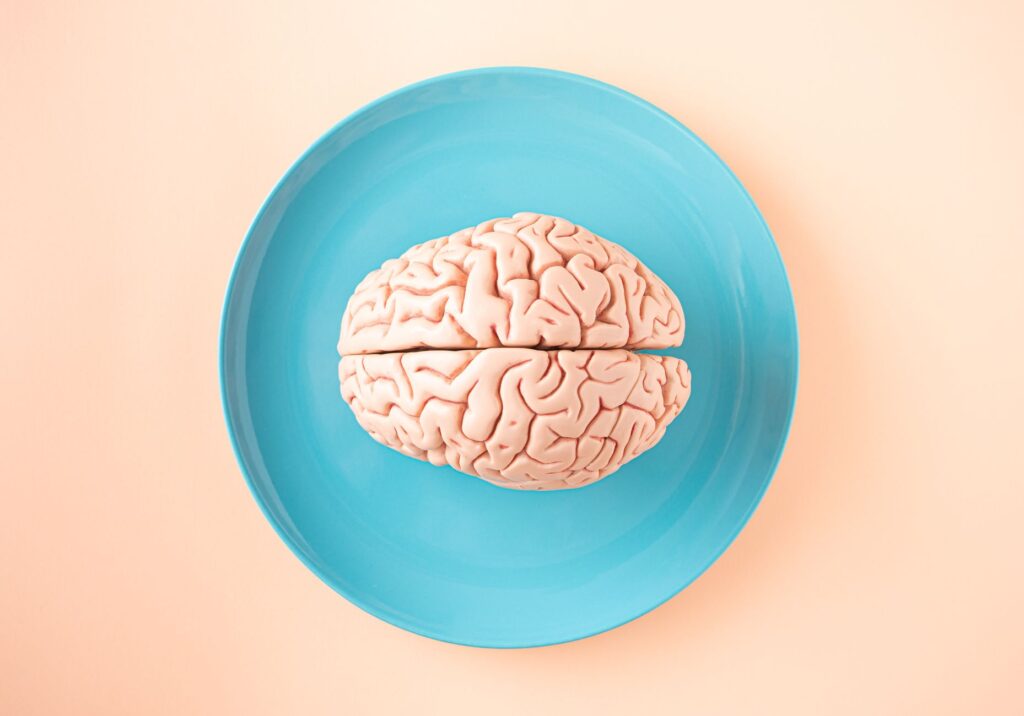
 Human Brain Gene Virus: The Real Mystery Behind It
  Indic streaming speech model: Best proven solution for telephony
  Online casinos UK: What are the best licensed options?
  Ranji Trophy updates: Shami’s Proven Performance Shines
  Hamilton setup change: Was it the worst decision in Singapore GP?
  Microsoft Decision Model: Best Proven AI Solution Yet
  Is the Vintage Baseball Game Worth Attending? Proven Fun!
  Wolverine PS5 sales show best disc version success
  Origin of Millisecond Signal: Proven Insights from 10 Billion Years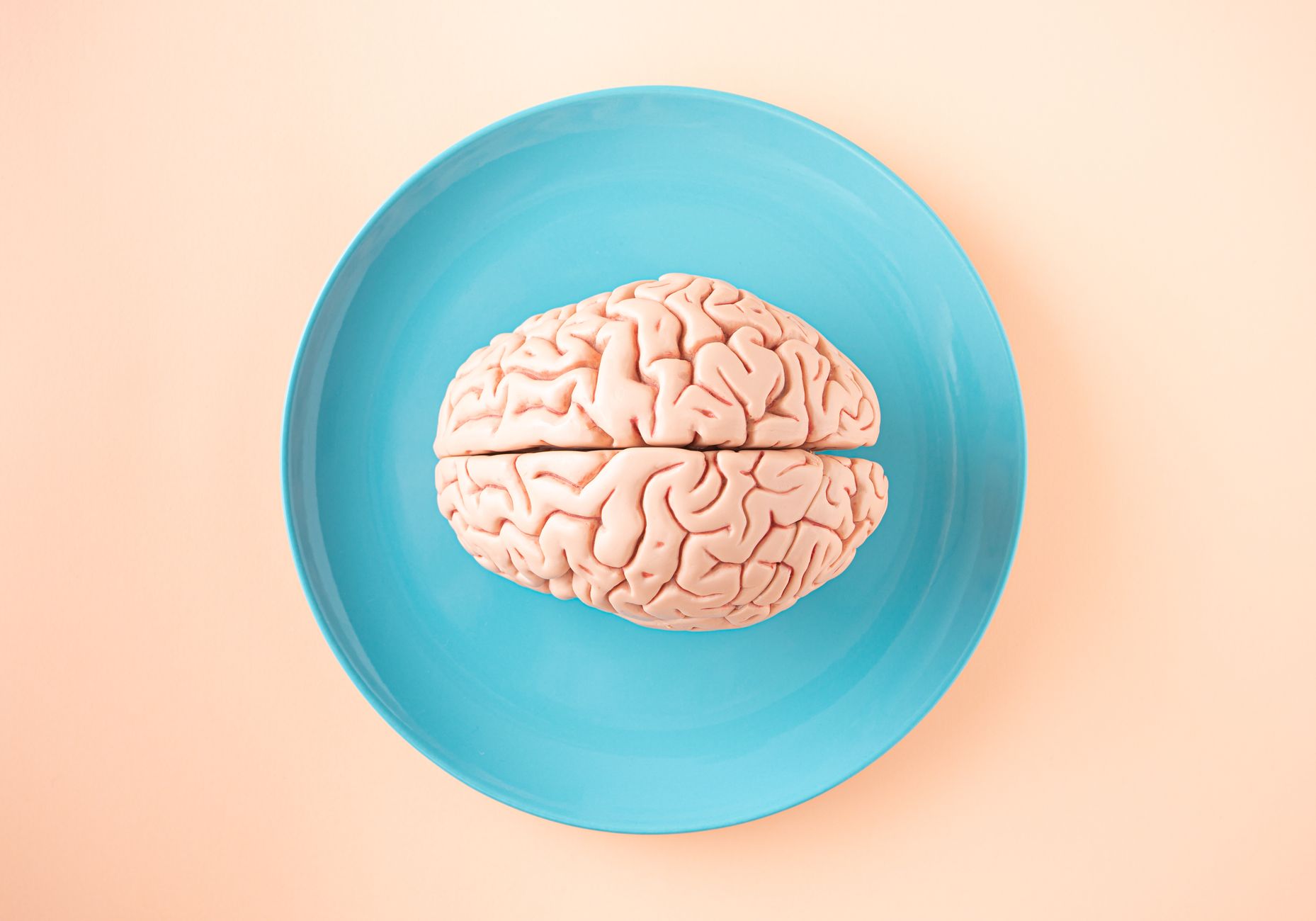
The human brain gene virus has left scientists puzzled as it unexpectedly leapt into a virus, raising questions about its purpose. This discovery opens new avenues for research in genetics and virology.
What is the Human Brain Gene Virus?
The human brain gene virus has emerged as a perplexing subject of study in recent scientific research. This phenomenon refers to a specific gene, originally found in the human brain, that appears to have integrated itself into a viral genome. The implications of this genetic transfer remain largely unknown, sparking curiosity and concern among researchers.
Scientists are grappling with several questions regarding this gene-virus interaction:
- What is the function of the gene when present in a viral context?
- How did the gene transition from the human brain to a virus?
- What impact could this have on human health and disease?
This unexpected association raises profound inquiries about gene behavior and viral evolution. While the human brain gene virus could potentially play a role in neurological disorders, researchers caution against jumping to conclusions. As investigations continue, the scientific community remains vigilant, eager to unlock the secrets behind this mysterious genetic migration. Understanding this phenomenon may not only illuminate the workings of the human brain but also reshape our approach to virology.
How Did the Gene Jump to a Virus?
Researchers are baffled by how a gene from the human brain managed to leap into a virus, marking a significant event in molecular biology. This surprising occurrence raises crucial questions about the human brain gene virus and its implications for human health. The gene in question is believed to play a role in brain development and function, but its transfer to a virus has left scientists scratching their heads.
Several hypotheses have emerged regarding this gene’s journey:
- Horizontal Gene Transfer: One possibility is that the gene was transferred through a process known as horizontal gene transfer, where genetic material is exchanged between organisms.
- Evolutionary Adaptation: Another theory suggests that this transfer might be an evolutionary adaptation that could provide the virus with new capabilities.
- Viral Manipulation: It is also proposed that the virus might be utilizing the gene to manipulate human cells for its benefit.
Despite the various theories, the exact mechanism and purpose of this gene’s presence in the virus remain unclear, leaving scientists eager to uncover the mystery behind the human brain gene virus.
Implications of the Discovery
The discovery of the human brain gene virus raises significant questions about its implications for both neuroscience and virology. Researchers are particularly intrigued by the potential effects this gene may have on brain function and mental health. As scientists delve deeper into understanding how this gene initially leapt into a virus, they are also exploring its possible roles in neurological conditions.
Some key implications of this discovery include:
- Understanding Disease Mechanisms: If the human brain gene virus interacts with neural pathways, it could provide insights into disorders such as schizophrenia or Alzheimer’s disease.
- Viral Evolution: This finding may alter our understanding of viral evolution, showing that human genes can influence viral behavior in unexpected ways.
- Therapeutic Applications: There is potential for developing new therapies that target the interactions between the human brain gene virus and neural networks.
- Ethical Considerations: The implications for genetic research and manipulation raise ethical questions about how we approach gene therapy and virus research.
Ultimately, the human brain gene virus represents a fascinating intersection of genetics and virology, prompting further investigation into its mysteries.
Current Research Efforts
Current research efforts are intensifying around the phenomenon of the human brain gene virus, as scientists strive to unravel its complexities and implications. Researchers are conducting various studies to determine how this gene has integrated into viral structures and what consequences this may have for human health.
- Genomic Sequencing: Scientists are utilizing advanced genomic sequencing techniques to analyze and characterize the human brain gene virus. This process aims to identify the specific functions of the gene when it exists within a viral context.
- Clinical Studies: Ongoing clinical studies are examining the potential links between the human brain gene virus and neurological disorders. Researchers are particularly interested in how this gene may influence cognitive functions or contribute to diseases.
- Animal Models: Animal models are being developed to study the effects of the gene when expressed in various organisms. This research could shed light on the gene’s role and its evolutionary significance.
- Collaboration: Multidisciplinary collaboration is taking place among virologists, geneticists, and neurologists to enhance understanding and formulate hypotheses about the gene’s purpose.
As investigations progress, the scientific community remains hopeful that new insights will emerge regarding the human brain gene virus and its enigmatic presence in viral genomes.
Potential Risks and Benefits
The discovery of the human brain gene virus has opened up a complex discussion regarding its potential risks and benefits. While scientists are still unraveling the implications of this gene’s presence within a virus, there are several key points to consider.
- Potential Health Risks: One of the major concerns is that the human brain gene virus could lead to unforeseen health issues. Researchers worry that the gene may alter the behavior of the virus, potentially leading to neurodegenerative diseases or other neurological disorders.
- Impact on Human Health: If the virus spreads, it could complicate existing health challenges. The interaction between the gene and the virus remains poorly understood, raising alarm among health professionals.
- Scientific Advancement: On the other hand, this discovery holds promise for advancements in gene therapy. Understanding how the human brain gene virus operates could lead to new treatments for various brain-related conditions.
- Further Research: The ongoing research efforts are essential for determining the long-term effects of this gene-virus interaction, which may unveil both risks and therapeutic possibilities.
As scientists continue to investigate, the balance between caution and curiosity remains crucial in navigating this new frontier.
Expert Opinions on the Findings
Experts in the field have weighed in on the recent findings regarding the human brain gene virus. Dr. Emily Hart, a neuroscientist, emphasizes the significance of this discovery, stating, “This gene’s presence in a virus raises numerous questions about its function and potential impact on human health.” She highlights the need for more research to understand the implications of this gene’s leap into a viral context.
Similarly, Dr. Rajiv Kumar, a virologist, notes, “The human brain gene virus could alter how we perceive viral interactions with human genetics. We may have stumbled upon a crucial piece in understanding neurological diseases.” This perspective suggests that the gene’s role within the virus may not be purely detrimental but could also offer insights into brain health.
Other scientists have called for interdisciplinary collaboration to further investigate this anomaly. Dr. Lisa Chen, a geneticist, states, “We must unite our efforts to decode the relationship between the human brain gene virus and its potential effects on neurological functions.”
As research continues, the global scientific community remains intrigued by the possibilities this discovery presents, hoping to unveil the mysteries of the human brain gene virus.
Future Directions in Research
Research on the human brain gene virus is still in its early stages, and many questions remain unanswered. Future studies aim to unravel the complexities surrounding this gene’s transition into a viral entity. As scientists delve deeper, several potential directions for research have emerged.
- Understanding Mechanisms: Investigating how the gene integrated into the virus will be crucial. This includes studying the viral genome and the specific functionalities it may have inherited.
- Clinical Implications: Researchers will focus on potential links between the human brain gene virus and neurological disorders. This could provide insights into previously unexplained conditions.
- Viral Behavior: Examining how this virus behaves within human cells could reveal its interaction with the immune system and other cellular functions.
- Therapeutic Applications: If the gene possesses beneficial properties, scientists may explore its potential for developing new treatments or therapies for brain-related diseases.
- Ethical Considerations: As research progresses, ethical implications surrounding gene manipulation and viral interactions will also need to be addressed to ensure responsible scientific advancement.
Conclusion: Understanding the Mystery
In conclusion, the discovery of the human brain gene virus presents an intriguing puzzle that challenges our current understanding of genetics and viral behavior. As outlined in previous sections, the gene’s leap into a virus raises numerous questions about its purpose and function. Researchers are still grappling with the implications of this phenomenon, and while some theories suggest potential benefits, others warn of unforeseen risks.
The current research efforts are focused on unraveling the complexities of this gene-virus relationship. Scientists are employing advanced techniques to study how this gene operates within a viral context and its impact on human health. As the field progresses, expert opinions continue to shape the discourse, highlighting both the excitement and caution surrounding this discovery.
Looking ahead, future directions in research will likely involve interdisciplinary approaches, merging insights from virology, genetics, and neurology. Understanding the mechanisms at play could unlock new avenues for therapeutic interventions, but it also necessitates careful consideration of ethical implications. The mystery of the human brain gene virus remains unsolved, but it undoubtedly opens doors to a deeper comprehension of our biological intricacies.
Photo by Amel Uzunovic on Pexels