 Mars driving record: What is the proven achievement of NASA?
  Human Brain Gene Virus: The Real Mystery Behind It
  Indic streaming speech model: Best proven solution for telephony
  Online casinos UK: What are the best licensed options?
  Ranji Trophy updates: Shami’s Proven Performance Shines
  Hamilton setup change: Was it the worst decision in Singapore GP?
  Microsoft Decision Model: Best Proven AI Solution Yet
  Is the Vintage Baseball Game Worth Attending? Proven Fun!
  Wolverine PS5 sales show best disc version success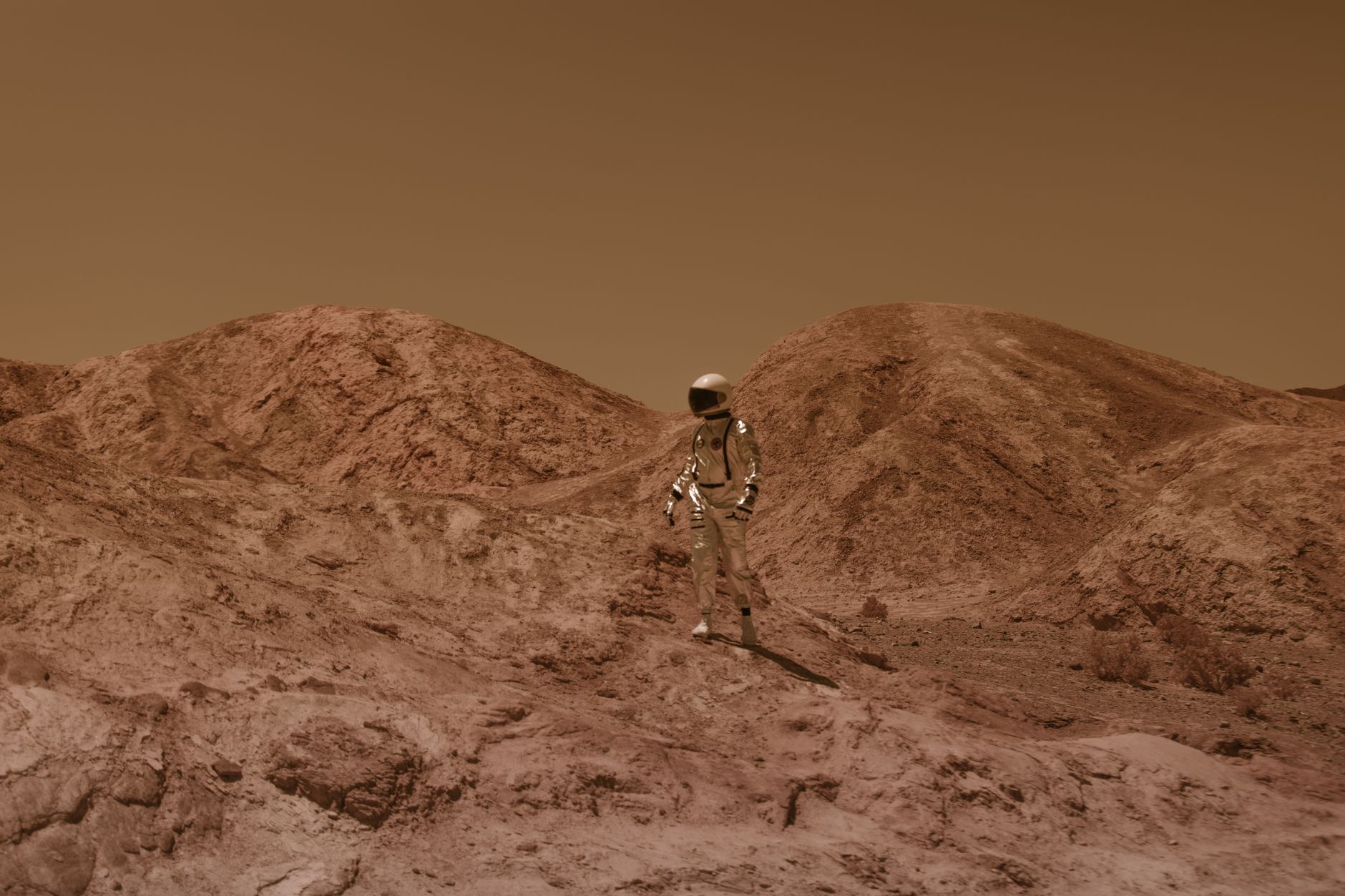
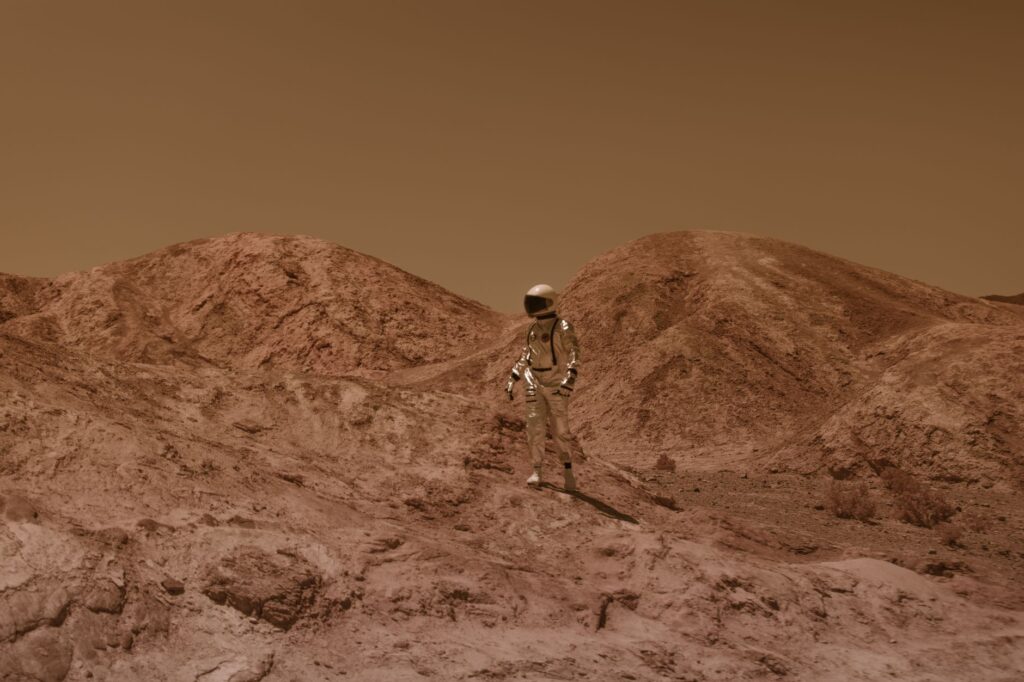
Mars driving record has been set by NASA’s Perseverance Rover, which recently achieved a remarkable 28 miles on the Martian surface.
NASA’s Perseverance Rover Overview
The Peregrine Rover, part of NASA’s Mars 2020 mission, has made headlines with its impressive driving capabilities on the Martian surface. Known for its advanced technology and autonomous navigation, the rover has recently achieved a significant milestone in space exploration.
With a total driving distance exceeding 28 miles, NASA’s Perseverance Rover has officially set a Mars driving record, showcasing its ability to traverse the challenging terrain of the red planet. This accomplishment is not just a numerical achievement; it reflects the rover’s sophisticated engineering and operational efficiency in an environment that poses numerous challenges.
The rover is equipped with a range of scientific instruments and features that facilitate its exploration efforts, including:
- Advanced navigation systems that allow it to maneuver autonomously.
- High-resolution cameras that capture detailed images of the Martian landscape.
- Scientific tools that analyze soil and rock samples to gather data about Mars’ geology and climate.
This record not only highlights the rover’s capabilities but also paves the way for future missions and deeper exploration of Mars.
Significance of the Mars Driving Record
The recent achievement of NASA’s Perseverance Rover in setting a new Mars driving record is not merely a testament to engineering prowess, but it holds significant implications for future exploration of the Red Planet. This record, which encompasses a distance of 28 miles, showcases the rover’s capabilities in navigating the challenging Martian terrain.
Understanding the significance of the Mars driving record involves several key factors:
- Enhanced Navigation: The ability to drive longer distances allows for more extensive exploration of diverse geological features.
- Scientific Discovery: With increased mobility, the rover can access areas that may hold clues to Mars’ past, potentially revealing signs of ancient life.
- Technology Testing: Every mile driven tests the limits of technology and prepares NASA for future missions, including human exploration.
- Public Engagement: Achievements like this capture public interest, fostering support for continued space exploration and funding.
Ultimately, the Mars driving record not only underscores Perseverance’s success but also paves the way for ongoing and future missions that will deepen our understanding of Mars and its environment.
Challenges Faced by the Rover
The journey to set the Mars driving record has not been without its challenges for NASA’s Perseverance Rover. Since its landing in February 2021, the rover has faced various obstacles that tested its durability and operational capabilities.
Among the significant challenges encountered are:
- Harsh Terrain: The Martian surface is riddled with rocks, craters, and steep inclines, making navigation difficult. Perseverance must carefully maneuver to avoid damaging its wheels.
- Dust Accumulation: The fine Martian dust can obscure sensors and hinder visibility, complicating driving and navigation tasks.
- Communication Delays: With a communication delay of up to 20 minutes between Earth and Mars, real-time operation is impossible, requiring Perseverance to operate autonomously for extended periods.
- Power Management: The rover relies on solar energy, which can be affected by dust storms and seasonal changes, necessitating careful power management to ensure continued operation.
Despite these obstacles, Perseverance has successfully reached impressive distances, proving its resilience and capability in pursuit of the Mars driving record.
Future Mars Exploration Plans
As NASA looks to the future of Mars exploration, the achievements of the Perseverance rover set a strong foundation for upcoming missions. The success of its Mars driving record not only showcases the technical capabilities of current rovers but also informs the design and deployment of future vehicles.
NASA’s plans for Mars include:
- Sample Return Missions: Efforts are underway to collect and return samples from Mars to Earth, building on the work of Perseverance.
- Human Exploration: The Artemis program aims to establish a sustainable human presence on the Moon, which will serve as a stepping stone for human missions to Mars.
- New Rovers and Landers: Future rovers will incorporate advanced technology, leveraging the insights gained from the Perseverance mission.
- Collaborative International Efforts: NASA is collaborating with international space agencies to enhance exploration capabilities and share knowledge.
With the proven achievement of the Mars driving record, NASA is more equipped than ever to tackle the challenges of exploring the Red Planet, paving the way for groundbreaking discoveries in the years to come.
Technological Innovations in Space Travel
The journey of NASA’s Perseverance rover on Mars has been marked by significant technological innovations that have greatly enhanced space travel capabilities. These advancements have played a crucial role in achieving the impressive Mars driving record, allowing the rover to traverse the Martian landscape effectively.
One of the most notable innovations is the rover’s autonomous navigation system. This technology enables Perseverance to make real-time decisions about its route, avoiding obstacles and selecting the safest paths. This capability not only improves efficiency but also reduces the need for constant human oversight from Earth.
Additionally, the rover is equipped with advanced scientific instruments that provide valuable data about the Martian environment. These tools allow for comprehensive analysis of the terrain and atmosphere, leading to better planning for future missions.
Moreover, the use of innovative materials and engineering designs has increased the rover’s durability in the harsh Martian conditions. This resilience has been instrumental in pushing the limits of what is possible in extraterrestrial exploration, as evidenced by the remarkable distance covered, solidifying Perseverance’s place in history with its Mars driving record.
Photo by RDNE Stock project on Pexels
Sources
Related reading
Human Brain Gene Virus: The Real Mystery Behind It · Indic streaming speech model: Best proven solution for telephony · Online casinos UK: What are the best licensed options?